Tuesday, March 24, 2026

What Are Letters of Reference for License Restoration in Michigan?

Letters of reference are one of the most important pieces of evidence in a Michigan driver’s license restoration case. The Michigan Department of State’s Office of Hearings and Administrative Oversight (OHAO) requires 3 to 6 notarized community support letters from people who can speak from firsthand knowledge about your relationship, your substance use/sobriety history, and (when applicable) your treatment or support involvement.

At Michigan Defense Law, Oakland County license restoration attorney Paul J. Tafelski helps clients throughout the state prepare strong petitions and avoid costly mistakes. Our criminal defense lawyers review every letter, every document, and every detail before your hearing to give you the strongest possible case. This guide explains what letters of reference are, who should write them, what they should include, and how to avoid the mistakes that lead to denials.

If you need help preparing strong, compliant letters of reference for your Michigan driver’s license restoration case, Michigan Defense Law is here to guide you through every step. Call us today at (248) 451-2200 to schedule a consultation and get started on rebuilding your driving privileges.

Why Does Michigan Require Letters of Reference for License Restoration?

Michigan’s license restoration process exists to protect public safety. When the Secretary of State revokes your license after multiple Operating While Intoxicated (OWI) convictions, the burden falls on you to prove that you deserve to drive again. Under Michigan Administrative Code R 257.313 (Rule 13), the hearing officer cannot issue driving privileges unless you prove, by clear and convincing evidence:

  • Your alcohol or substance abuse problems are under control and likely to remain under control (This means total and permanent sobriety!)
  • The risk of repeating past abusive behavior is low or minimal
  • The risk of operating while impaired is low or minimal
  • You have the ability and motivation to drive safely and within the law

Letters of reference serve as independent verification of these points. While your substance abuse evaluation provides a clinical assessment and your drug screen confirms current sobriety, the letters give the hearing officer a window into your everyday life. The people who see you regularly are in the best position to confirm that you are living a sober, stable lifestyle.

The OHAO hearing officer will compare what your letters say against your testimony and your substance abuse evaluation. If the details do not match, if dates conflict, or if the letters seem vague or generic, the hearing officer may question your credibility. Consistency across all of your documentation is essential to meeting the clear and convincing evidence standard.

Key Takeaway: Michigan requires three to six notarized letters of reference as part of every license restoration petition. These letters must support your claim that substance abuse issues are under control by providing specific, firsthand observations of your sobriety and daily life.

Who Should Write Your Letters of Reference?

The Michigan Secretary of State asks for letters from a “cross-section” of people in your life. This means the letters should come from different types of relationships, not just one group. A strong set of letters typically includes people from several of the following categories:

  • Family members who see you regularly
  • Close friends who spend time with you socially
  • Coworkers or supervisors who observe you during the workday
  • Sponsors from Alcoholics Anonymous (AA) or other recovery programs
  • Counselors or therapists involved in your treatment
  • Pastors, clergy members, or community leaders
  • Neighbors who observe your daily routine

How Many Letters Do You Need?

The OHAO requires a minimum of three letters and allows a maximum of six. Submitting three strong, detailed letters is better than submitting six weak ones. Each letter should come from someone who genuinely knows you well and can speak with specificity about your sobriety.

If you have a sponsor, include a notarized letter from that person as part of your packet. The hearing officer will expect to see this, and a missing sponsor letter can raise questions about your commitment to recovery. The remaining letters should come from people who see you in different settings, giving the hearing officer a complete picture of your sober lifestyle.

Who Should Not Write a Letter?

Letters from people who do not see you regularly carry little weight. Someone you only speak with once or twice a year cannot credibly attest to your daily habits. Similarly, letters from people who did not know you during your period of substance abuse may have limited value because they cannot describe the change in your behavior over time.

Key Takeaway: Choose letter writers who see you regularly in different settings and can describe your sobriety from firsthand observation. Include a sponsor letter if you participate in a recovery program, and aim for quality over quantity.

What Should Each Letter of Reference Include?

The hearing officer is looking for specific, concrete information in each letter. A generic character reference that simply says you are a “good person” will not help your case. Each letter should address the following topics in detail.

Relationship and Contact Frequency

The letter writer should explain how they know you, how long they have known you, and how often they see you. A letter from someone who sees you multiple times per week carries more weight than one from someone who sees you monthly. The writer should describe the context of your interactions, such as working together, attending meetings, or spending time socially.

Past Substance Use and Current Sobriety

This is the most critical element. Each letter writer should describe what they know about your past use of alcohol or drugs, including the last time they personally observed you drinking or using substances. This information helps the hearing officer corroborate your sobriety date, which is one of the most scrutinized details in the entire petition.

The writer should also describe your current abstinence. Do you avoid events where alcohol is present? Have they ever seen you turn down a drink? Do you choose sober activities? These specific observations are far more persuasive than a general statement that you “don’t drink anymore.”

Lifestyle Changes and Personal Growth

The hearing officer wants to see that sobriety has transformed your life, not just that you stopped drinking. Letter writers should describe observable changes, such as improved relationships, greater responsibility at work, involvement in community activities, better physical health, or a more stable daily routine. Specific examples are always stronger than vague praise.

Recovery Program Participation

If the letter writer has personal knowledge of your involvement in AA, counseling, or another recovery program, they should include those details. Perhaps they have driven you to meetings, heard you discuss what you learned, or witnessed the positive impact the program has had on your outlook. Not every letter writer will have this knowledge, but those who do should mention it.

Awareness of Social Situations Involving Alcohol

The hearing officer may look for evidence that the people around you understand and support your sobriety. A letter that describes how your social circle has adapted, such as hosting alcohol-free gatherings or choosing restaurants that do not center on drinking, demonstrates a supportive environment that reduces the risk of relapse.

Key Takeaway: Each letter should include specific details about the writer’s relationship with you, your past substance use, your current sobriety, observable lifestyle changes, and any knowledge of your recovery program participation. Vague or generic letters can undermine your case.

What Are the Formatting and Notarization Requirements?

Michigan has strict formatting rules for letters of reference, and failing to meet them can result in your letter being rejected. According to the OHAO guidelines, each letter must meet the following requirements:

Requirement Details
Signature Must be personally signed by the letter writer
Notarization Must be notarized by a licensed notary public
Date Must be signed and dated (and notarized). Keep all documents current and follow the timing rules in your hearing packet/DAIS instructions.
Contact Information Must include the writer’s full mailing address and phone number
Availability Writer must be reachable between 8:00 a.m. and 5:00 p.m. EST
Format May be typed or handwritten
Originality Must be original and personally written by the author

The 90-day requirement is particularly important. Your letters, substance abuse evaluation, and drug screen must all be signed and dated within 90 days of the date you submit your hearing request to the Secretary of State. If your documents expire before submission, you will need to obtain new ones.

Notarization is available at most banks, Oakland County government offices, and many shipping stores. Some attorneys’ offices also provide notary services. Plan ahead so that every letter writer has time to complete and notarize their letter before your filing deadline.

Key Takeaway: Every letter must be signed, notarized, dated within 90 days of your hearing request, and include the writer’s contact information. Missing any of these requirements can result in your letter being rejected.

What Mistakes Can Get Your Letters Denied?

Letters of reference are one of the most common reasons license restoration petitions fail. Hearing officers at the OHAO review these documents carefully, and they are trained to spot problems. Here are the mistakes that most frequently lead to denials.

Inconsistent Sobriety Dates

If one letter says you stopped drinking in 2020 and another says 2021, the hearing officer will question your credibility. Your sobriety date must be consistent across every letter, your substance abuse evaluation, and your testimony at the hearing. Before submitting your petition, compare every document to verify that all dates match.

Vague or Generic Language

A letter that says “John is a great guy who has really turned his life around” tells the hearing officer almost nothing. The officer needs specific observations: when the writer last saw you drink, what changes they have observed, how often they see you, and what your daily life looks like now. Every sentence in the letter should provide concrete, verifiable information.

Identical or Templated Letters

If multiple letters use the same phrases, follow the same structure, or appear to have been written from a template, the hearing officer may conclude that the letters are not genuine. Each letter should reflect the unique perspective of the individual writer. The tone, vocabulary, and focus should vary naturally from letter to letter.

Missing or Incorrect Contact Information

The hearing officer may contact your letter writers to verify the information in their letters. If a letter is missing a phone number, includes a disconnected number, or lists an address that does not match the writer’s actual location, it can raise red flags. Confirm all contact information before notarizing.

Letters from People Who Barely Know You

A letter from an acquaintance who sees you once or twice a year will lack the specific detail that hearing officers require. The writer cannot credibly describe your daily habits, your response to social situations involving alcohol, or the changes in your behavior over time. Choose writers who are genuinely involved in your life.

License Restoration Attorney in Oakland County – Michigan Defense Law
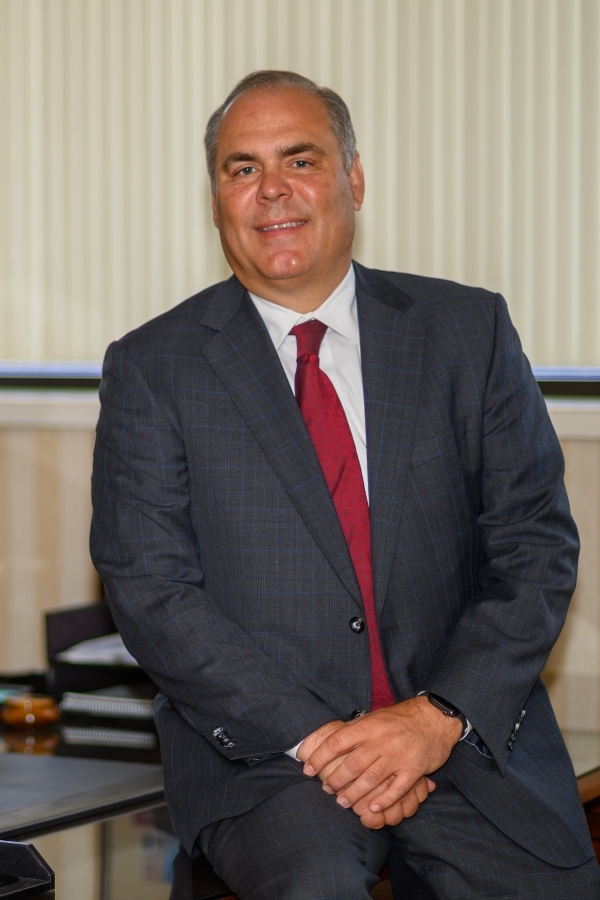
Paul J. Tafelski, Esq.

Paul J. Tafelski is an Oakland County criminal defense and license restoration attorney with over 25 years of experience. He is a graduate of Michigan State University and the Detroit College of Law at Michigan State University. He is a member of the Michigan Bar Association, American Bar Association, Criminal Defense Lawyers of Michigan, and the Oakland County Bar Association.

Mr. Tafelski has been recognized as a top-rated attorney by SuperLawyers (2011-2013, 2017-2026) and Leading Lawyers (2017). Clients value his thorough preparation, honest communication, and ability to guide them through complex legal processes. He has represented clients in hundreds of cases ranging from misdemeanors to major felonies, and he brings that same level of dedication to every license restoration case he handles.

How Do Letters of Reference Fit into the Larger License Restoration Process?

Letters of reference are one piece of a larger documentation package that you must submit to the OHAO when requesting a license restoration hearing. Careful consideration of how the letters fit into the overall process can help you prepare a stronger, more consistent case.

Required Documents for a Hearing Request

Under Michigan law, a complete hearing request typically includes:

  • The Hearing Request Application form
  • A Substance Use Evaluation (SOS-258) completed by a qualified evaluator
  • A 12-panel urinalysis drug screen with cutoff levels and at least two integrity variables (such as specific gravity, creatinine, or pH).
  • Three to six notarized letters of reference
  • Evidence of participation in a structured support program, such as AA attendance logs
  • A Breath Alcohol Ignition Interlock Device (BAIID) report, if applicable
  • A DA-4P physician statement, if you take medications that could affect your driving ability

You or your attorney submit these letters as part of the overall hearing request packet, typically through DAIS or by mail/fax.

What Happens at the Hearing

OHAO hearings are currently conducted remotely via Microsoft Teams. A hearing officer, who is a licensed attorney employed by the Secretary of State, will review your documentation and ask detailed questions about your sobriety, recovery efforts, and daily life. These hearings often last less than an hour, though the exact length varies.

The hearing officer will compare your testimony against the information in your letters and your substance abuse evaluation. Inconsistencies between these three sources are one of the most common reasons for denial. If your letters say one thing and your testimony says another, even on a minor detail, the hearing officer may determine that you have not met the clear and convincing evidence standard.

After the Hearing

You will receive a written decision by mail or email, depending on your preference. You may receive it the same day, or you may have to wait several weeks. If you win, the hearing officer may issue a restricted license (often with an ignition interlock requirement). Any move from restricted to full privileges depends on your case and the rules/order that apply. After completing the restricted license period, you may petition the OHAO for full license restoration.

If your petition is denied, you have the right to appeal the decision to the circuit court under MCL 257.323. The appeal must be filed within 63 days of the decision, or up to 182 days if you can show good cause for the delay. For Oakland County residents, the appeal would be filed with the Oakland County Circuit Court at 1200 N. Telegraph Road in Pontiac.

Key Takeaway: Letters of reference are part of a larger documentation package that also includes a substance abuse evaluation, drug screen, and hearing request form. Consistency across all documents is critical because the hearing officer will compare every piece of evidence against your testimony.

What Happens If Your Petition Is Denied Because of Your Letters?

A denial based on weak or inconsistent letters is frustrating, but it does not mean you can never get your license back. Reviewing why the denial happened and planning out what to do next is the first step toward a successful petition.

Waiting Period After Denial

If the OHAO denies your petition, you must generally wait one full year before reapplying. During this time, you can continue building your sobriety record, strengthening your recovery program participation, and preparing better documentation for your next hearing.

Circuit Court Appeal

Under MCL 257.323, you may appeal a denial to the circuit court within 63 days of the hearing officer’s decision. The court will review whether the hearing officer’s decision was supported by competent evidence, was procedurally correct, and was not arbitrary or an abuse of discretion. A successful appeal can result in the court ordering the Secretary of State to grant your license restoration.

Circuit court appeals are complex and typically require legal representation. For residents of Bloomfield Hills and surrounding communities, appeals would be filed with the Oakland County Circuit Court, which is part of Michigan’s 6th Judicial Circuit. An attorney who handles both OHAO hearings and circuit court appeals can evaluate whether an appeal is likely to succeed or whether waiting to reapply with stronger documentation would be a better strategy.

Strengthening Your Next Petition

If you choose to wait and reapply, use the year to address the weaknesses identified in the denial order. If your letters were too vague, find writers who can provide more specific details. If there were inconsistencies, work with your attorney to ensure every document aligns perfectly. Each subsequent hearing builds on the previous one, so the hearing officer will review your prior denial as part of your new case.

Key Takeaway: A denial is not the end of the process. You may appeal to the circuit court within 63 days or reapply after one year with stronger documentation. Use the waiting period to address every weakness identified in the denial order.

Experienced Legal Support from an Oakland County License Restoration Attorney

Losing your driver’s license affects every part of your daily life, from getting to work to running basic errands and caring for your family. The license restoration process is demanding, and the consequences of submitting a weak petition can mean waiting another full year just to try again.

Oakland County license restoration attorney Paul J. Tafelski has helped clients throughout Michigan prepare and present strong cases to the OHAO for over 25 years. At Michigan Defense Law, our team reviews every letter of reference, every document, and every detail of your case. We prepare you for the hearing, ensure your documentation is consistent, and present your petition to give you the strongest chance of success.

Call Michigan Defense Law at (248) 451-2200 to schedule a consultation. Our office in Bloomfield Hills serves clients across Oakland County and throughout Michigan. We can review your situation, explain what is needed, and guide you through every step of the restoration process.


from Michigan Defense Law https://www.michigandefenselaw.com/blog/letters-of-reference-license-restoration/

Wednesday, March 18, 2026

How Can a License Restoration Lawyer Help You Get Your Driving Privileges Back in Michigan?

A license restoration lawyer helps you prepare the required documentation, build a persuasive case for sobriety, and represent you at your hearing before the Michigan Secretary of State’s Office of Hearings and Administrative Oversight (OHAO). Without legal guidance, many petitioners fail to meet the strict “clear and convincing” evidence standard under Mich. Admin. Code R 257.313 (“Rule 13”). Drivers in Oakland County who have lost their license face a process that demands careful preparation.

At Michigan Defense Law, Oakland County Criminal Defense attorney Paul J. Tafelski assists clients in Bloomfield Hills and across Michigan to restore driving privileges. Our license restoration lawyers understand how the OHAO evaluates evidence, which hearing officers focus on specific areas, and what documentation carries the most weight.

This guide explains what the license restoration process involves, what evidence you need to present at your OHAO hearing, how eligibility timelines work, what happens if your petition is denied, and how an attorney can strengthen your case at every step. Call Michigan Defense Law at (248) 451-2200 to speak with our team about your situation.

What Is the License Restoration Process in Michigan?

Michigan’s license restoration process begins with the Secretary of State and is governed by strict administrative rules. If your license was revoked due to multiple Operating While Intoxicated (OWI) convictions, you must petition the OHAO for a hearing. The hearing officer assigned to your case will evaluate whether you have met the legal burden under Rule 13.

The Michigan Secretary of State requires specific documents for many restoration-related hearings. Common requirements include the following: 

  • Hearing Request Application (SOS-257)
  • Substance Use Evaluation (SOS-258) (when required)
  • a 12-panel laboratory urinalysis drug screen with at least two integrity variables
  • Three to six community support letters, notarized

If you take certain medications that may affect safe driving, a doctor may need to complete the DA-4P medical report.

Michigan Secretary of State driver’s license hearings are conducted through Microsoft Teams using the link provided on the Notice of Hearing.

What Must You Prove at the Hearing?

Rule 13 requires you to demonstrate five key points by clear and convincing evidence:

  • Your alcohol or substance abuse problem is under control and likely to remain under control
  • The risk of repeating past abusive behavior is low or minimal
  • The risk of operating a motor vehicle while impaired is low or minimal
  • You have the ability and motivation to drive safely and within the law
  • Any other relevant evidence that supports the points above

The burden falls entirely on you to present enough evidence to prove these claims. A license restoration lawyer can help you understand what each hearing officer looks for and tailor your testimony accordingly.

When Are You Eligible to Apply for License Restoration?

Eligibility timelines depend on the number and timing of your prior convictions. Under MCL 257.303, the Michigan Secretary of State sets minimum waiting periods before you can request a hearing.

Waiting periods depend on the type of sanction and your driving record. Michigan law includes minimum periods, many not less than 1 year after a revocation/denial, and in some situations, not less than 5 years after a subsequent revocation/denial occurring within 7 years of a prior revocation/denial. You may file your hearing request up to six weeks before your eligibility date.

Being eligible to apply does not mean the restoration will be granted. Meeting the minimum waiting period is only the starting point. You still need to demonstrate sustained sobriety and present documentation that satisfies Rule 13’s requirements. Many petitioners who apply as soon as they become eligible are denied because they have not accumulated enough evidence of long-term recovery.

Eligibility Timelines Under MCL 257.303

Situation Minimum Waiting Period Key Requirement
2 OWI convictions within 7 years 1 year from last conviction Minimum 6 months verified sobriety
3+ OWI convictions within 10 years 5 years from last conviction Minimum 12 months verified sobriety
Prior hearing denial 1 year from denial date Updated documentation required
Prior BAC twice legal limit or 3+ alcohol/drug convictions Enhanced period applies 12+ months abstinence (Rule 13)

Key Takeaway: Eligibility to file a hearing request does not guarantee success. The minimum waiting period under MCL 257.303 is just the first step. You typically need well over a year of documented sobriety and thorough preparation before a hearing officer will consider granting your petition.

Michigan Defense Law can review your driving record and help you determine when the timing may be right to move forward. Contact us at (248) 451-2200.

What Evidence Do You Need for a Successful License Restoration Hearing?

The evidence you present at your OHAO hearing determines whether you regain your driving privileges. Every document must be consistent, accurate, and aligned with your testimony. Even small discrepancies between your substance abuse evaluation and your sobriety letters can result in a denial.

A substance use evaluation can be one of the most important documents in a restoration case. A qualified evaluator must complete the SOS-258 form, which must be submitted within 90 days of the evaluation as part of your evidence package. The evaluator will assess your history of substance use, treatment, and recovery. The evaluation must reflect your actual circumstances. If the evaluator overstates or understates your history, the hearing officer may view your entire case with skepticism.

Sobriety letters provide third-party verification that you have maintained abstinence. You need at least three letters, though four to six strengthen your case. These letters must come from people who observe your daily life and can speak to your sobriety with firsthand knowledge. Each letter should be notarized and must be consistent with the timeline and details in your substance abuse evaluation.

The 48th District Court in Bloomfield Hills at 4280 Telegraph Road handles many of the misdemeanor cases that lead to eventual license revocations, and individuals who have gone through that court’s process may already have relevant treatment records on file.

License Restoration Attorneys in Michigan

Paul J. Tafelski, Esq.

Paul J. Tafelski is a graduate of Michigan State University who earned his Juris Doctor from the Detroit College of Law at Michigan State University. He has been practicing law in Michigan since 1995 and is admitted to practice in all Michigan state and federal courts as well as the United States Supreme Court.

Mr. Tafelski is a member of the Michigan Bar Association, American Bar Association, Criminal Defense Lawyers of Michigan, Oakland County Bar Association, the Advocates (Polish Bar Association), and the National College for DUI Defense.

He has been recognized as a SuperLawyer from 2011 through 2013 and again from 2017 through 2026, and received a Leading Lawyer designation in 2017. Mr. Tafelski has represented clients from arraignment through jury trial across Oakland County and the greater Detroit metropolitan area. His approach to license restoration cases focuses on thorough preparation and understanding each hearing officer’s specific areas of focus.

What Happens If Your License Restoration Petition Is Denied?

A denial at the OHAO hearing generally means you must wait at least one year before filing a new petition. This waiting period makes it important to get the first hearing right. Many petitioners lose valuable time by filing before they are truly ready or by submitting inconsistent documentation.

If your petition is denied, you may have the option to appeal to the Oakland County Circuit Court at 1200 North Telegraph Road in Pontiac under MCL 257.323. A circuit court appeal must be filed within 63 days of the OHAO decision, though extensions of up to 182 days may be granted for good cause. The appeal must demonstrate that the hearing officer’s decision was unconstitutional, exceeded authority, lacked procedural fairness, was unsupported by evidence, or was arbitrary.

Circuit court appeals are more detailed than OHAO hearings and require a different legal strategy. You must show that the hearing officer made a legal error or abused discretion, not simply that you disagree with the outcome. This standard of review means that even strong cases can fail on appeal if the hearing officer followed proper procedure and had some evidentiary basis for the denial.

Should You Refile or Appeal?

A better approach is often to wait the one-year period, address the specific weaknesses the hearing officer identified, and file a stronger petition the second time. Michigan Defense Law reviews denial decisions to identify exactly where the case fell short and develops a plan to correct those issues before the next hearing.

How Does a Restricted License Work After a Successful Hearing?

If the OHAO grants your petition, you will not receive a full, unrestricted license right away. Michigan law typically requires a period of restricted driving with a Breath Alcohol Ignition Interlock Device (BAIID) installed in your vehicle. Under MCL 257.304, this restricted license limits where and when you can drive.

If you win, the hearing officer may issue a restricted license first, and your order will spell out the specific restrictions and conditions you must follow. You may need to carry documentation proving the purpose of your travel in case you are stopped by law enforcement. Failing a breath test on the interlock device, tampering with the equipment, or driving outside your permitted routes can result in immediate revocation of the restricted license.

After driving with the BAIID for a minimum of one year without violations, you may petition the OHAO for a second hearing to request full, unrestricted driving privileges. This second hearing follows a similar process. The hearing officer will review your compliance history during the restricted period, including your interlock records and any new documentation of continued sobriety.

Key Takeaway: Winning your first OHAO hearing grants a restricted license with a BAIID, not full driving privileges. After at least one year of compliant restricted driving, you may petition for an unrestricted license through a second hearing.

How Does Losing Your License Affect Your Daily Life in Michigan?

Losing your driver’s license in Michigan creates challenges that extend far beyond transportation. Michigan is a state where public transit options are limited, especially outside Detroit. In Oakland County, where communities like Bloomfield Hills, Rochester, and Farmington Hills are spread across a large suburban area, not having a license can make it extremely difficult to maintain employment, attend medical appointments, or meet family obligations.

The Suburban Mobility Authority for Regional Transportation (SMART) operates bus routes in Oakland County, but service is limited compared to larger metropolitan transit systems. Many routes require transfers and long wait times, making it impractical for daily commuting across the county. Without reliable transportation, people who have lost their license often depend on family members and friends for rides, which strains relationships over time.

Employment opportunities shrink significantly when you cannot drive. Many jobs in Oakland County require a valid license, especially positions in construction, delivery, sales, and healthcare. Even jobs that do not technically require driving may be inaccessible if public transit does not reach the workplace. The longer you go without a license, the more these limitations compound.

What Role Does Insurance Play in the License Restoration Process?

Insurance is a practical hurdle that many people overlook when planning for license restoration. If your license was revoked, you likely did not maintain auto insurance during that period. Before you can legally drive again, you must obtain a new insurance policy. Michigan requires all drivers to carry no-fault auto insurance, and drivers with revoked licenses are often classified as high-risk.

High-risk drivers may be required to file an SR-22 form, which is a certificate of financial responsibility. The SR-22 tells the state that you carry the minimum required insurance coverage. Insurance companies that issue SR-22 policies typically charge higher premiums because of the elevated risk associated with your driving history.

The age of your convictions plays a significant role in your insurance rates. The longer it has been since your last OWI conviction, the less impact it typically has on your premiums. However, multiple convictions and a long gap in coverage can still result in rates that are substantially higher than average. Shopping around and comparing quotes from multiple insurers can help you find a more affordable policy.

Why Should You Hire an Attorney for License Restoration?

The license restoration process involves specific legal standards, strict documentation requirements, and a hearing format that demands careful preparation. Many people who attempt the process without legal guidance are denied because of avoidable mistakes. Common errors include inconsistent sobriety letters, an inaccurate substance abuse evaluation, failure to meet enhanced sobriety requirements, or poor preparation for the hearing officer’s questions.

An experienced license restoration attorney understands the nuances of each OHAO hearing officer’s approach. Some hearing officers focus heavily on AA participation, while others emphasize the quality of sobriety letters or the details of the substance abuse evaluation. Knowing these tendencies allows an attorney to tailor your application for the specific questions you are likely to face.

The Sixth Judicial Circuit Court in Oakland County, located at 1200 North Telegraph Road in Pontiac, handles circuit court appeals for denied OHAO petitions. An attorney who practices regularly in this jurisdiction understands the procedural requirements for appeals and the standard of review that circuit court judges apply.

Key Takeaway: License restoration hearings are specialized proceedings with strict evidentiary standards. An attorney who knows the OHAO process, the individual hearing officers, and the circuit court appeal procedures can significantly improve your chances of success.

Oakland County License Restoration Legal Assistance

Losing your license affects every part of your daily life. Whether you need to drive to work, get your children to school, or attend medical appointments, the inability to drive legally puts you in a difficult position. Being unprepared for the process can cause additional delays, highlighting the need for careful assistance.

Paul J. Tafelski has helped clients throughout Oakland County and Michigan restore their driving privileges for over 20 years. At Michigan Defense Law, we can prepare your substance abuse evaluation, review your sobriety letters for consistency, and represent you at your OHAO hearing. We handle cases involving the 48th District Court in Bloomfield Hills, the Oakland County Circuit Court in Pontiac, and OHAO hearings across the state.

Call Michigan Defense Law at (248) 451-2200 to schedule a free consultation. Our office is located at 2525 South Telegraph Road, Suite 100, in Bloomfield Hills. We serve clients in Bloomfield Hills, throughout Oakland County, and across Michigan.


from Michigan Defense Law https://www.michigandefenselaw.com/blog/case-history-license-restoration/

Tuesday, March 17, 2026

Who Can Be a Credible Witness at a Driver’s License Hearing?

Witnesses with direct, ongoing knowledge of your sobriety are the most persuasive people you can bring to a Michigan driver’s license restoration hearing. People who spend significant time with you (close family members, coworkers, AA sponsors, or others who knew you when you were drinking and have watched you change) carry the most weight with hearing officers. The right witnesses can strengthen your case considerably, while the wrong ones can undermine it.

At Michigan Defense Law, Oakland County license restoration attorney Paul J. Tafelski has guided clients through the Michigan Secretary of State’s Office of Hearings and Administrative Oversight (OHAO) license restoration process, including helping identify, prepare, and present the most credible witnesses possible. Our criminal defense lawyers at Michigan Defense Law handle every step, from evaluations to witness preparation to the hearing itself.

This guide explains who makes the most effective witnesses, how AA and other support groups factor into the hearing, how to handle AA participation during the hearing, how long the decision takes after the hearing, whether you can appeal a denial, and what a hardship appeal means under Michigan law. Call Michigan Defense Law at (248) 451-2200 to speak with Paul Tafelski about your case.

What Makes a Witness Credible at a Michigan License Hearing?

A hearing officer at the Michigan Secretary of State’s Office of Hearings and Administrative Oversight is tasked with one core question: Is this person genuinely sober and likely to stay that way? Your witnesses must help answer that question convincingly. Credibility comes from specificity, consistency, and a close relationship with you over time.

The most effective witnesses are those who have been around you frequently, ideally both during your drinking years and throughout your recovery. A family member who watched your behavior deteriorate and has now seen real, sustained change carries far more credibility than someone who only knows you from the past year. Similarly, an Alcoholics Anonymous (AA) sponsor who has worked through the steps with you can speak to your commitment to sobriety in concrete, observable terms.

Who Typically Makes the Strongest Witnesses

Witnesses who tend to have the greatest impact on hearing officers include:

  • AA sponsors or fellow members who can speak to your participation, commitment, and understanding of the 12-step program
  • Close family members (spouses, parents, adult children) who have observed your lifestyle changes firsthand
  • Long-term friends who knew you during your drinking years and can contrast that period with who you are today
  • Coworkers or supervisors who can speak to your reliability, professionalism, and sobriety in a work setting
  • Clergy or religious community members, if faith has been a meaningful part of your recovery

The through-line for any strong witness is personal, firsthand knowledge. A witness who says, “I’ve seen him turn down drinks at a family gathering” or “She shows up to every AA meeting and has for two years” is far more compelling than someone offering general praise.

Key Takeaway: The most persuasive witnesses are those with frequent, personal contact over an extended period: people who observed your drinking and have watched your recovery unfold in real time. Quality matters far more than quantity.

How Many Witnesses Should You Bring?

More is not better at a Michigan license restoration hearing. Bringing too many witnesses can actually hurt your case. When witnesses are not well-prepared, they tend to overstep, become inconsistent with each other, or drift into territory that weakens your credibility rather than strengthening it.

Under Michigan Administrative Code Rule 13, the hearing officer may require corroborating evidence from not less than three independent sources regarding your alcohol and controlled-substance behavior. In practice, the Michigan Department of State’s hearing packet commonly instructs petitioners to gather 3–6 notarized “community support” letters (if they do not intend to have witnesses appear). Quality and preparation still matter far more than sheer volume.

Preparing Witnesses Before the Hearing

Preparation matters enormously. Witnesses who come to the hearing without a clear understanding of what they can and cannot say often try too hard to be helpful, and that overreach can backfire. A witness who contradicts facts in your substance abuse evaluation, exaggerates your sobriety period, or makes claims that cannot be substantiated can seriously damage the credibility of your entire case.

Before the hearing, Michigan Defense Law meets with clients and their potential witnesses to explain the limits of testimony. Witnesses should be able to speak honestly about what they have personally observed. They should not speculate about things they did not directly see, and they should not make promises about your future behavior that go beyond what they can know.

Is AA Required to Get Your License Back in Michigan?

Participation in Alcoholics Anonymous (AA) is not a strict legal requirement for license restoration in Michigan. However, AA is by far the most preferred support structure that the Michigan Secretary of State’s hearing officers look for in a petitioner’s case.

The reasons are practical: AA is free, it is widely available throughout Oakland County and across Michigan, and it has decades of documented effectiveness. AA meeting sign-in sheets serve as concrete, dated evidence of consistent participation. An AA sponsor can provide detailed testimony about your knowledge of the 12 steps and your commitment to the program.

The structure of the program, including regular meetings, a sponsor relationship, and step work, gives hearing officers something tangible to evaluate. That is why AA participation often makes a stronger impression than a general claim of sobriety.

AA Participation in Oakland County

For petitioners in Oakland County and the surrounding area, AA meetings are available throughout the week at locations including the Oakland County Central Office in Pontiac and dozens of local church halls, community centers, and recovery facilities throughout Bloomfield Hills, Troy, Royal Oak, Southfield, and Farmington Hills. Regular, consistent attendance, ideally documented with sign-in sheets, provides some of the strongest sobriety evidence you can present at a hearing.

What If AA Doesn’t Work for You?

Michigan law does not require AA participation, and hearing officers understand that recovery looks different for different people. Some petitioners work closely with a pastor or faith-based support community. Others rely on structured individual counseling with a licensed substance abuse therapist. Some have built personalized support networks that include family members with long-term sobriety.

The key is demonstrating that you have a real, ongoing support structure, not just a plan on paper. Whatever form your support takes, you will need to explain it clearly, show that it has been in place for a meaningful period, and demonstrate that you intend to rely on it going forward.

The Secretary of State’s hearing officers recognize that people who are actively engaged in some type of support system have a significantly higher chance of maintaining sobriety than those managing entirely on their own.

License Restoration Attorney in Oakland County – Michigan Defense Law

Paul J. Tafelski, Esq.

Paul J. Tafelski has been practicing law in Michigan since 1995, bringing more than two decades of criminal defense and license restoration experience to his clients throughout Oakland County and across the state. He is a graduate of Michigan State University and earned his Juris Doctor from the Detroit College of Law at Michigan State University.

Mr. Tafelski is admitted to practice in all Michigan state and federal courts and is a member of the Michigan Bar Association, American Bar Association, Criminal Defense Lawyers of Michigan, Oakland County Bar Association, and the Advocates (Polish Bar Association).

Paul has been selected to Super Lawyers (2011–2013, 2017–2026), and he was named a Leading Lawyer in 2017. At Michigan Defense Law, he approaches every license restoration case with careful preparation and a strategy built around the specific facts of each client’s situation. His goal is always the same: to help clients present the most compelling case possible and get back on the road.

What Happens During the Actual Hearing?

The Michigan driver’s license restoration hearing takes place before a hearing officer at the Secretary of State’s Office of Hearings and Administrative Oversight (OHAO). The Michigan Department of State explains that hearings are conducted through Microsoft Teams, and the hearing officer (an attorney employed by the Secretary of State) reviews the evidence and asks questions about your alcohol and controlled-substance history and other issues tied to the sanction.

Under Michigan’s Secretary of State Administrative Rule 13, a petitioner must show by clear and convincing evidence that any substance abuse problem is under control and is likely to remain under control. The hearing officer will not restore a license simply because the petitioner has been sober for a period of time. They are looking for evidence that the change is real, that it is supported by a genuine recovery structure, and that the risk of relapse is minimal.

What You Must Bring to the Hearing

Michigan’s administrative process requires a specific set of documents and evidence at the hearing. These include:

  • A Substance Use Evaluation (Form SOS-258) was completed by a qualified substance abuse evaluator. The Michigan Department of State notes there is no official list or certification of evaluators; the evaluator should be appropriately trained to diagnose substance abuse and provide expert opinions, and the hearing officer ultimately decides whether the evaluation is acceptable.
  • A 12-panel laboratory urinalysis drug screen (with cutoff levels and at least two integrity variables such as specific gravity, creatinine, or pH) as required by the Michigan Department of State’s hearing evidence package.
  • Community support letters that are notarized—the SOS hearing packet commonly directs applicants to obtain 3–6 letters if they do not plan to have witnesses appear.
  • Any additional evidence (AA sign-in sheets, counseling completion certificates, sobriety court certificates, or testimony from witnesses) that supports your case

Beyond these required documents, you and your attorney can present any evidence you believe will be convincing to the hearing officer. Paul Tafelski at Michigan Defense Law helps clients think through every piece of evidence that could matter and build a comprehensive, credible presentation.

Required Evidence What It Must Show Who Provides It
Substance Abuse Evaluation Substance use history, diagnosis, treatment, ASI/MAST/SASSI results State-approved evaluator
12-Panel Drug Screen Current sobriety from drugs and alcohol Licensed testing facility
Notarized Witness Letters (min. 3) Observed sobriety; knowledge of the petitioner before and after drinking Family, friends, AA sponsors, coworkers
Additional Support Evidence Ongoing participation in recovery; life changes since sobriety AA records, counselors, clergy, other witnesses

Key Takeaway: Michigan’s Rule 13 requires clear and convincing evidence that your substance abuse problem is under control and will remain so. Meeting the document requirements is necessary, but presenting a complete, credible picture of your sobriety (including witnesses and supporting evidence) is what wins hearings.

How Long Does It Take to Get a Decision After the Hearing?

After the hearing concludes, the hearing officer writes a report and issues a written decision. That report is then reviewed by the Secretary of State’s office in Lansing before being sent out. The timeline can vary depending on how busy the office is and the difficulty of your case.

After the hearing, the hearing officer issues a written decision. Timing can vary based on workload and the specifics of the case. You may receive a notification when a decision is made and the case is closed.

If your license is restored, the hearing officer may order a restricted license for a period of time determined by the hearing officer before consideration for an unrestricted license. Any ignition-interlock requirement depends on the specific sanction and the terms of the order.

What Happens If You Lose the Hearing?

Losing a Michigan license restoration hearing is not the end of the road, but it does set your timeline back. Under Michigan law, a petitioner who is denied at a Driver License Appeal Division (DLAD) hearing must wait one year before filing a new petition. That makes the outcome of each hearing important enough to justify investing in thorough preparation.

Can You Appeal a DLAD Denial?

Yes. Michigan law allows you to appeal a hearing officer’s decision to the circuit court if you lose. However, the scope of that appeal is limited. A circuit court judge reviewing a DLAD decision does not simply substitute their own judgment for the hearing officer’s. Instead, the judge must determine whether the hearing officer abused their discretion, violated the petitioner’s constitutional rights, or made a decision that was arbitrary and capricious.

The good news is that Michigan law, as of August 15, 2016, permits the circuit court to consider new or additional evidence that was not presented at the original hearing. Prior to that change, the circuit court was limited to the existing record.

The 2016 amendment also expanded the circuit court’s options. Instead of being limited to either granting a full license or denying the appeal entirely, a circuit court judge may now grant a restricted license if the facts support it.

Is a Circuit Court Appeal Worth Pursuing?

Appeals from DLAD decisions are procedurally complicated and require an attorney who understands both the administrative hearing process and circuit court appellate procedure. 

Whether an appeal makes sense in your situation depends on the specific grounds for the denial, the evidence that was presented, and whether additional evidence could change the outcome. Michigan Defense Law can evaluate your hearing officer’s written decision and advise you on the strongest path forward.

What Is a Hardship Appeal Under Michigan Law?

A hardship appeal is a separate legal mechanism available in limited circumstances, specifically for certain license suspensions where a full revocation has not occurred. It is not the same as a license restoration appeal before the DLAD.

Under Michigan law, a person whose license has been suspended (for example, due to an implied consent suspension for refusal of a chemical test, excessive points, or other non-revocation suspensions) may petition the circuit court for a hardship license. To qualify, the petitioner must show that the loss of driving privileges creates a genuine hardship, such as an inability to get to work, school, or medical appointments in an area without adequate public transportation.

What Hardship Appeals Cannot Do

A hardship appeal does not apply to license revocations based on two or more alcohol-related driving convictions. If your license has been revoked because of multiple Operating While Intoxicated (OWI) convictions, which is the most common situation for clients pursuing license restoration in Oakland County and throughout Michigan, a circuit court judge does not have the authority to grant you a hardship license. The only path to restored driving privileges in that situation is the DLAD restoration process.

This distinction matters because many people assume a hardship argument will open a back door to driving privileges when a license has been revoked. It does not. The DLAD restoration process through the Secretary of State’s Office of Hearings and Administrative Oversight is the only available route when a revocation is on record.

Get Help from an Oakland County License Restoration Attorney

Losing your driving privileges affects every part of daily life in Oakland County. Getting to work, keeping medical appointments, or simply managing a family’s schedule across surrounding communities becomes a daily challenge. The stakes at a license restoration hearing are real, and a denial means waiting another year before you can try again.

Paul Tafelski of Michigan Defense Law has been providing experienced legal defense, including representing license restoration clients, for over two decades. At Michigan Defense Law, our license restoration lawyers help clients gather and organize every required document, prepare witnesses, complete the substance abuse evaluation process, and present a complete, credible case before the hearing officer.

Our office is located at 2525 S Telegraph Rd, Suite 100, in Bloomfield Hills, serving clients throughout Oakland County and statewide.

Call Michigan Defense Law at (248) 451-2200 for a free consultation. Michigan Defense Law serves clients throughout Oakland County, Bloomfield Hills, and across Michigan, including Wayne, Macomb, Washtenaw, and all 83 Michigan counties. Your consultation focuses on what the hearing officer will expect: sobriety documentation, supporting evidence, and the kind of witness testimony that carries weight.


from Michigan Defense Law https://www.michigandefenselaw.com/blog/who-can-be-a-credible-witness-to-use-in-a-drivers-license-hearing/

Monday, March 16, 2026

How Do You Restore Your Driver’s License After a DWI in Michigan?

Restoring your driver’s license after an OWI-related revocation in Michigan typically requires (1) waiting until you’re legally eligible, (2) submitting a complete hearing packet, and (3) proving sobriety at a Michigan Secretary of State OHAO hearing. OWI offenses are addressed under MCL 257.625, and revocations do not reinstate automatically; you must win a hearing.

At Michigan Defense Law, Oakland County driver’s license restoration attorney Paul J. Tafelski helps clients in Bloomfield Hills and throughout the state navigate every stage of the license restoration process. Losing your ability to drive affects your work, your family, and your independence. Paul J. Tafelski understands what is at stake and works to prepare each client’s hearing packet with the thoroughness the process demands.

This guide explains how OWI convictions affect your license, what documentation you need to gather, how to file for a hearing through the Driver Appeal Integrated System (DAIS), and what to expect during the hearing itself. Call Michigan Defense Law at (248) 451-2200 to speak with criminal defense lawyer Paul J. Tafelski about your case.

How Does an OWI Conviction Affect Your License in Michigan?

Under Michigan law, the penalties for an OWI conviction depend on the number of prior offenses, your blood alcohol content (BAC) at the time of arrest, and whether injuries or other aggravating factors were involved. License sanctions range from temporary restrictions to indefinite revocation.

Drivers convicted under the state’s ‘Super Drunk’ law, which applies when BAC is 0.17 or higher, face a 45-day hard suspension with no driving allowed at all. After that, restricted driving is permitted for the remaining 320 days, but only in a vehicle equipped with a Breath Alcohol Ignition Interlock Device (BAIID).

A second OWI conviction within seven years of a prior OWI is where the consequences change dramatically. Under Michigan law, this results in a minimum 1-year license revocation, or a minimum of 5 years if your license was already revoked within the preceding 7 years. Whether an OWI is treated as a repeat offense depends on factors like how recent the prior conviction is.

Felony OWI and Lifetime Revocation

A third OWI is a felony and triggers a license revocation, making restoration more difficult because you must prove lasting sobriety to the hearing officer. The minimum wait time before you can ask for a hearing is usually one year. However, if your license was already revoked within the last seven years, the wait increases to a minimum of five years. The Oakland County Prosecutor’s Office at 1200 N. Telegraph Road in Pontiac prosecutes felony OWI cases. A conviction at this level makes the restoration process much harder.

What Happens to Your License After an OWI Arrest?

Michigan’s implied consent law (MCL 257.625f) allows the Secretary of State to suspend your license if you refuse a post-arrest chemical test. A refusal generally triggers a 1-year suspension, or 2 years if it’s a second refusal within 7 years. You generally have 14 days to request an implied consent hearing after notice; missing the deadline usually means the suspension goes into effect.

Implied consent suspensions are separate from the criminal OWI case, and the main way to challenge them is by requesting the implied consent hearing on time.

Key Takeaway: Refusing a chemical test in Michigan results in an automatic one-year license suspension under the Implied Consent Law, regardless of the outcome of your OWI case. A second refusal within seven years doubles the suspension to two years.

Driver’s License Restoration Attorney in Oakland County – Michigan Defense Law

Paul J. Tafelski, Esq.

Paul J. Tafelski has been practicing law since 1995. He is a graduate of Michigan State University and earned his Juris Doctor from the Detroit College of Law at Michigan State University. A member of the Michigan Bar Association, American Bar Association, Criminal Defense Lawyers of Michigan, and the Oakland County Bar Association, he is admitted to practice in all state and federal courts as well as the United States Supreme Court.

Mr. Tafelski has been recognized as a top criminal defense lawyer by SuperLawyers (2011-2013 and 2017-2021) and as a Leading Lawyer in 2017. He is also a member of the National College for DUI Defense. His experience representing clients from arraignment through jury trial gives him the practical knowledge needed to prepare strong license restoration cases.

What Documents Do You Need for a License Restoration Hearing?

The Michigan Secretary of State’s Office of Hearings and Administrative Oversight (OHAO) requires a specific set of documents before scheduling a license restoration hearing. Missing or incomplete paperwork is one of the most common reasons petitions are denied, so it is important to submit a complete and consistent packet.

The required documents include:

  • SOS-257 (Hearing Request Application): This form initiates the restoration process and must be completed and signed before submission.
  • SOS-258 (Substance Use Evaluation): A certified substance abuse professional must conduct this evaluation, which assesses your history with alcohol or drugs and your current sobriety status.
  • 12-Panel Urinalysis Drug Screen: The lab report must include at least two integrity variables, such as specific gravity, creatinine, or pH level.
  • Community Support Letters: Three to six letters from friends, family members, or coworkers who can verify your sobriety and lifestyle changes.
  • DA-4P Form: Required if you take any medication that could affect your ability to drive safely.
  • Certifications of Completion: Documentation from support programs such as Alcoholics Anonymous (AA), individual counseling, or other treatment programs.

Your packet must be consistent across documents, especially your substance use evaluation and support letters. Hearing officers compare everything closely, and mismatches are a common reason for denial.

Why the Substance Use Evaluation Matters Most

The substance use evaluation carries the most weight in your hearing packet. The evaluator will assess your drinking or drug use history, your current sobriety, and the likelihood that you will remain sober. 

The evaluator also conducts a risk assessment to determine whether future substance use could affect your ability to drive safely. Based on this assessment, the evaluator may recommend ongoing treatment or monitoring. Being honest and thorough during this evaluation is critical because the hearing officer will compare your statements to everything else in your file.

How Do You File for a License Restoration Hearing?

You can file for a license reinstatement or restoration hearing online through DAIS or by mail or fax to the Office of Hearings and Administrative Oversight. These hearing requests are not handled at Secretary of State branch offices or self-service stations.

Before you submit anything, make sure you:

  • Confirm your “eligible for review” date in your SOS online account
  • Clear any holds (warrants, unpaid reinstatement items, unresolved court matters)
  • Compile a complete packet before uploading or mailing

Filing Online Through DAIS

To file online, create or log into your DAIS account through the Michigan Secretary of State’s website. Once logged in, follow the prompts to upload your Hearing Request Application, substance use evaluation, drug screen results, community support letters, and any additional documents. The system will confirm receipt of your materials.

Filing by Mail

If you prefer to file by mail, complete and sign the Hearing Request Application and gather all required documents. Mail everything to:

Michigan Department of State Office of Hearings and Administrative Oversight P.O. Box 30196 Lansing, Michigan 48909

You may also fax your materials to 517-335-2190. Ensure all documents are complete before mailing because incomplete submissions will delay the process.

Contact Paul J. Tafelski at Michigan Defense Law to ensure your filing is complete and accurate. Call (248) 451-2200.

What Happens at a Michigan License Restoration Hearing?

License restoration hearings in Michigan are conducted by the Office of Hearings and Administrative Oversight through Microsoft Teams. The hearing officer reviews your submitted materials and asks questions based on your license sanction, your substance use history, your sobriety, and your plan to remain sober. The hearing officer may also ask about your OWI history, treatment, support system, and how long you have been sober. Your answers must match your hearing packet, especially your substance use evaluation and community support letters.

The petitioner bears the burden of proof. You must demonstrate by clear and convincing evidence that your substance use issues are under control and that they are likely to remain under control. This is a high standard. The hearing officer is not looking for vague promises. They want specific, verifiable facts about your sobriety.

What OWI Penalties Affect License Restoration Eligibility?

The length of time you must wait before filing for restoration depends on the severity of your conviction. The following table outlines the license sanctions and waiting periods for common OWI offenses under Michigan law.

Offense License Sanction Waiting Period Before Hearing Eligibility
First OWI (MCL 257.625(1)) 180-day suspension (30-day hard suspension, 150 days restricted; no BAIID required) No hearing required (automatic restoration after restrictions)
Super Drunk (BAC 0.17+) 45-day suspension, 320 days restricted with BAIID No hearing required (automatic after compliance)
Second OWI (within 7 years) Minimum 1-year revocation (minimum 5 years if prior revocation within 7 years) Minimum 1 year
Third OWI (felony; prior convictions can count regardless of age) Minimum 1-year revocation (minimum 5 years if prior revocation within 7 years) Minimum 1 year (or 5 years if prior revocation within 7 years)
OWI Causing Death/Injury License revocation may apply Depends on sanction; hearing eligibility varies
Implied Consent Refusal (1st) 1-year suspension After suspension period ends
Implied Consent Refusal (2nd within 7 yrs) 2-year suspension After suspension period ends

Can You Get a Restricted License While Waiting for Restoration?

In some situations, Michigan law allows drivers with revoked licenses to obtain a restricted license through participation in a specialty court program, such as a sobriety court. Under MCL 257.304, participants in these programs may qualify for limited driving privileges while meeting strict monitoring conditions.

To qualify, you must be enrolled and in good standing with the specialty court. The judge must sign an MC-393 form, which is then forwarded to the Michigan Department of State to update your driving record. Once the form is processed, you visit a Secretary of State office to apply for the restricted license.

Conditions for Restricted Driving Privileges

A BAIID must be installed on every vehicle you plan to drive. Restricted driving is limited to travel for work, school, medical appointments, court-ordered treatment, and probation meetings. Violating program requirements or committing another OWI offense results in immediate loss of the restricted license and potential vehicle immobilization.

The 48th District Court in Bloomfield Hills at 4280 Telegraph Road and the 50th District Court in Pontiac at 70 N. Saginaw both serve Oakland County residents facing OWI proceedings. These courts may connect eligible defendants with specialty court programs that provide a path to restricted driving privileges.

Key Takeaway: Specialty court participation may allow some drivers to obtain a restricted license during the revocation period, but strict conditions apply. A BAIID is required on every vehicle, and any violations can result in losing the restricted license.

Call Michigan Defense Law at (248) 451-2200 to discuss whether a restricted license may be available in your situation.

How Do You Check Your Eligibility for License Restoration?

Before investing time and money in the restoration process, confirm your eligibility. You can check your driver’s license status by creating or logging into your Michigan Secretary of State online account under the “Driver’s License and ID” section.

Once logged in, review your license status and any listed holds or requirements. Confirm the date you are eligible to request a hearing before you pay for evaluations or submit documents.

If your record shows an “eligible for review” date that has not yet arrived, you cannot begin the process. Address any outstanding issues, such as unpaid fines, reinstatement fees, or court warrants, before filing. A $125 license reinstatement fee is commonly required before a license is issued or returned (with limited exceptions). Your attorney can assist you with confirming your eligibility as well as keeping track of your license restoration timeline.

Do All License Restorations Require a Hearing?

Not all license restorations require a hearing. The necessity depends on the specific sanction, violation, or conviction on your record. Some suspensions can be resolved by paying fees and completing the required conditions. However, revocations resulting from multiple OWI convictions always require a hearing before the OHAO.

Key Takeaway: Check your license status online through the Michigan Secretary of State before beginning the restoration process. Address any outstanding holds, fines, or warrants first. Revocations from multiple OWI convictions always require a formal hearing.

Legal Guidance Through Every Step of Your License Restoration Case

Losing your license after an OWI conviction affects every part of daily life. Getting to work, running errands, and caring for your family becomes a challenge. The Michigan restoration process is detailed and hard to tackle alone. If you are denied or if you miss your hearing without an approved adjournment, you can lose time and may need to wait before you can request another hearing.

Paul J. Tafelski of Michigan Defense Law has helped clients throughout Oakland County prepare for license restoration hearings for over two decades. At Michigan Defense Law, our driver’s license restoration lawyers handle every step of the process. We can help you obtain your substance use evaluation and prepare you for questions at your OHAO hearing before the Michigan Secretary of State hearing officers.

Call Michigan Defense Law at (248) 451-2200 for a free consultation. Our office is located at 2525 S. Telegraph Road, Suite 100, in Bloomfield Hills. Let Paul J. Tafelski help you take the first step toward getting your license back.


from Michigan Defense Law https://www.michigandefenselaw.com/blog/steps-to-restore-your-drivers-license-after-a-dwi-in-michigan/