Tuesday, July 28, 2026

What Is MCL 257.303 and How Does It Affect Out-of-State Licenses?

MCL 257.303(1)(c) prevents the Michigan Secretary of State from issuing a license to someone whose driving privileges are suspended, revoked, denied, or canceled in another state. If you move to Michigan and an old out-of-state licensing action appears when you apply, the first step is to identify which state imposed the action, whether it remains active, and whether Michigan has entered a separate revocation or denial based on the underlying convictions.

At Michigan Defense Law, Michigan license restoration attorney Paul J. Tafelski helps drivers throughout Oakland County and across Michigan address license holds and restoration matters involving out-of-state records. Our team also represents people seeking out-of-state license restoration when a Michigan revocation prevents them from obtaining a license where they now live.

This guide explains what MCL 257.303 says about out-of-state licenses, how a hold reaches your record, how the habitual offender presumption works, the waiting periods that apply, and how to clear the hold through a hearing or a circuit court appeal.

If an out-of-state suspension, revocation, denial, or other licensing action is preventing you from obtaining a Michigan license, attorney Paul J. Tafelski can review your driving record and explain your options. Call Michigan Defense Law at (248) 451-2200 to schedule a consultation.

What Does MCL 257.303 Say About Out-of-State Licenses?

MCL 257.303 identifies people to whom the Secretary of State may not issue a Michigan driver’s license and lists convictions that require Michigan to revoke or deny driving privileges. For an out-of-state licensing action, subsection (1)(c) generally bars Michigan from issuing a license while another state’s suspension, revocation, denial, or cancellation remains active.

The statute contains a limited exception. If the action was imposed by a jurisdiction other than the one that issued the applicant’s last license, the Secretary of State may issue a Michigan license after five years from the effective date of the most recent action. The statute says “may,” so reaching five years does not create an automatic right to a license.

Separate from subsection (1)(c), MCL 257.303(2) requires Michigan to revoke or deny a license after specified convictions or combinations of convictions under Michigan law or a substantially corresponding law of another state or the United States.

Situation What MCL 257.303 Provides
Active suspension, revocation, denial, or cancellation in another state Michigan generally cannot issue a driver’s license while the action remains active.
Action imposed by a jurisdiction other than the state that last licensed the driver The Secretary of State may issue a Michigan license after five years if the statutory requirements are satisfied.
Qualifying Michigan or substantially corresponding out-of-state convictions Michigan may revoke or deny driving privileges under MCL 257.303(2).

Key Takeaway: MCL 257.303 lets Michigan refuse a license to any driver whose privileges are suspended, revoked, denied, or canceled elsewhere. An out-of-state problem follows you into Michigan and must be resolved before you can be licensed here.

How Does an Out-of-State Hold Get Placed on Your Record?

When another state suspends, revokes, denies, or cancels your driving privileges, that action is shared through nationwide reporting databases. Michigan reviews these systems before issuing or renewing any driver’s license.

Michigan may identify an out-of-state action through:

  • The National Driver Register’s Problem Driver Pointer System, which licensing agencies check before issuing or renewing a license
  • The Driver License Compact and related state-to-state record exchanges
  • Driving records obtained from the state that imposed the suspension, revocation, denial, or cancellation

An old licensing action may be discovered years later when a person applies for or renews a license. This does not necessarily mean that a new hold was created; it may mean that Michigan identified an existing record during its licensing review. Drivers in Oakland County frequently find out only when they try to transfer a license or renew one, at which point the Secretary of State declines the application and points to the earlier action.

What Counts as a Habitual Offender From an Out-of-State Case?

Out-of-state convictions can feed the “habitual offender” presumption that makes a Michigan license especially difficult to obtain. Under MCL 257.303(4)(b), the convictions that resulted in a revocation and denial constitute prima facie evidence that the individual is a habitual offender, which means the record alone can establish the designation unless you rebut it.

The conviction combinations that can support the habitual-offender presumption include:

  • Two reckless-driving convictions within seven years under MCL 257.303(2)(a)
  • Two specified felony or serious motor-vehicle convictions within seven years under MCL 257.303(2)(b)
  • Two qualifying alcohol- or drug-related driving convictions within seven years under MCL 257.303(2)(c)
  • Three qualifying alcohol- or drug-related driving convictions within ten years under MCL 257.303(2)(g)

One important nuance protects drivers whose record looks worse than the facts warrant. Under MCL 257.303(6), multiple convictions or civil-infraction determinations arising from the same incident must be treated as a single violation for purposes of license denial or revocation. A careful review of the out-of-state paperwork can sometimes show that what looks like two offenses is legally one, which can change whether the habitual offender presumption applies at all.

License Restoration Attorney in Oakland County – Paul J. Tafelski, Michigan Defense Law
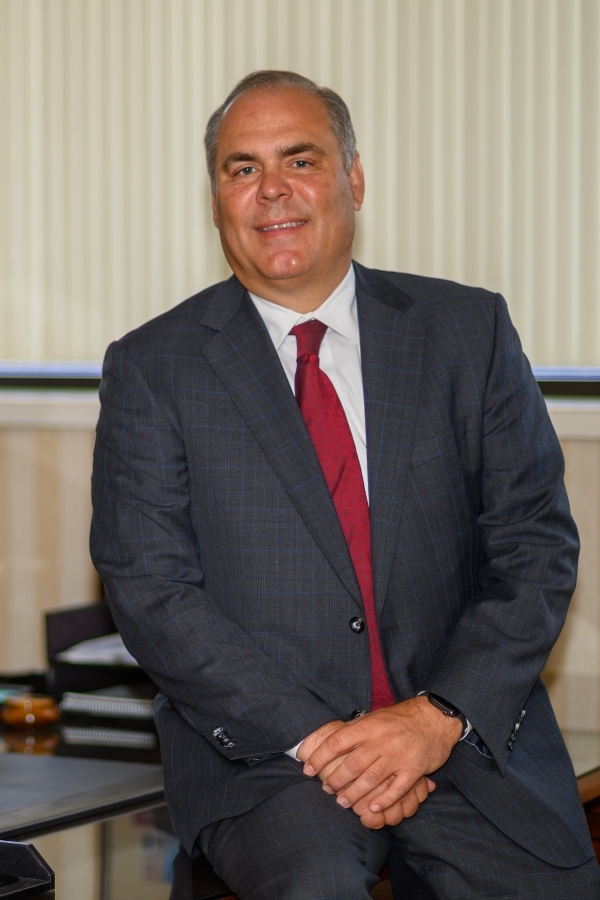
Paul J. Tafelski, Esq.

Paul J. Tafelski has practiced law in Michigan for more than 20 years. He is a graduate of Michigan State University and earned his Juris Doctor from the Detroit College of Law at Michigan State University. He is a member of the State Bar of Michigan, the American Bar Association, the Criminal Defense Attorneys of Michigan, the Oakland County Bar Association, and the Advocates, and he is admitted to practice in all state and federal courts in Michigan.

Attorney Tafelski has been selected to Michigan Super Lawyers from 2011 to 2013 and from 2017 to 2026. He was also recognized as a Leading Lawyer in 2017. In license matters, he focuses on reviewing each client’s full driving record, identifying errors and openings under MCL 257.303, and preparing the documentation and testimony that give drivers the best chance to clear a hold and get back on the road.

How Long Can an Out-of-State License Problem Block a Michigan License?

The answer depends on which state imposed the licensing action. Under MCL 257.303(1)(c), Michigan generally cannot issue a license while another state’s suspension, revocation, denial, or cancellation remains active. If the action came from a jurisdiction other than the one that issued the applicant’s last license, the Secretary of State may issue a license after five years from the effective date of the most recent action.

The separate one-year and five-year waiting periods in MCL 257.303(4)(a) apply when Michigan has revoked a license under the Michigan Vehicle Code or revoked and denied a license under MCL 257.303(2). A first Michigan revocation or denial requires a wait of at least one year. A subsequent revocation or denial occurring within seven years of a prior one requires at least five years from the later action.

Reaching the applicable date only creates eligibility to request relief. It does not automatically restore driving privileges.

How Do You Clear an Out-of-State License Problem in Michigan?

The required step depends on which jurisdiction imposed the active licensing action. If another state suspended, revoked, denied, or canceled your license, you must satisfy that state’s requirements and obtain an updated driving record or clearance before Michigan can issue a license. The limited five-year provision in MCL 257.303(1)(c) may apply when the action did not come from the jurisdiction that issued your last license.

A Michigan administrative proceeding is relevant when Michigan itself has imposed a revocation or denial, including one based on qualifying out-of-state convictions. In that situation, the driver may need to request a hearing through the Office of Hearings and Administrative Oversight.

A person who currently lives outside Michigan and seeks relief from a Michigan revocation may request an Out-of-State Administrative Review. Proof of out-of-state residency and community support letters are required for that review.

Key Takeaway: A Michigan hold from an out-of-state action rarely clears on its own. You typically must petition the Secretary of State and, when the habitual offender presumption applies, rebut it with clear and convincing evidence.

What Happens at a Michigan License Restoration Hearing?

At a Michigan Office of Hearings and Administrative Oversight (OHAO) restoration hearing, the hearing officer reviews the driving record, required forms, and supporting evidence to determine whether the applicant meets the department’s rules and any applicable clear and convincing evidence standard. This process applies when Michigan has imposed the revocation or denial; it is not the ordinary method for clearing an active sanction imposed only by another state.

Common evidence in a Michigan license restoration case includes:

  • A current driving record
  • A completed Hearing Request Application, Form SOS-257
  • A Substance Use Evaluation, Form SOS-258, if the applicant has ever been arrested for an alcohol- or controlled-substance-related offense
  • A qualifying 10-, 11-, or 12-panel laboratory urinalysis drug screen with required integrity variables (e.g., specific gravity, creatinine, pH)
  • Three to six notarized community support letters, unless witnesses will testify; support letters are mandatory for an out-of-state administrative review
  • Proof of treatment or participation in a support program, when applicable
  • An ignition interlock report or medical report, when applicable
  • Proof of out-of-state residency for an Out-of-State Administrative Review
  • Records showing the status of another state’s licensing action, when relevant

The hearing officer weighs all of this against the clear and convincing evidence standard. Missing, outdated, or inconsistent documentation can delay the case or contribute to a denial, so the submission should follow the current OHAO checklist and address the specific reason for Michigan’s action.

Key Takeaway: A restoration hearing turns on documentation. Clearance letters from the other state, a current substance abuse evaluation, treatment records, and consistent reference letters give a hearing officer the proof needed to lift the hold.

Can You Appeal a Denied Restoration in Michigan Circuit Court?

Yes. If the Secretary of State denies your petition, you can seek review in circuit court under MCL 257.323. This is not a second chance to reargue the whole case; the court reviews the administrative record to decide whether the denial was supported by the evidence and the law.

Under MCL 257.323(1), a petition for circuit court review must be filed within 63 days after the determination. For good cause, the court may permit a late filing, but the petition must still be filed no later than 182 days after the determination.

Circuit court review is confined to the administrative record, subject to limited statutory exceptions. A petition should therefore identify the legal, procedural, or evidentiary error in the OHAO decision rather than simply repeat the original request for restoration.

Key Takeaway: A petition for circuit court review is due within 63 days. A good-cause late filing may be permitted up to 182 days after the determination, and the scope of review is limited by MCL 257.323.

Get Help from a Bloomfield Hills License Restoration Attorney

If Michigan has denied your driver’s license because of an out-of-state suspension, revocation, denial, or cancellation, determining why the action appears on your record is the first step toward resolving it. Depending on your circumstances, you may need to satisfy another state’s requirements, address a Michigan revocation or denial, or pursue the appropriate restoration process under Michigan law.

Attorney Paul J. Tafelski has more than 20 years of experience helping drivers throughout Oakland County and across Michigan resolve licensing issues involving out-of-state records and Michigan license restoration. Our team reviews your full driving record, identifies whether the habitual offender presumption applies, and builds the documentation a hearing officer needs to see.

Call Michigan Defense Law at (248) 451-2200 to schedule a consultation. Our office is located at 2525 S Telegraph Rd, Suite 100, Bloomfield Hills, MI 48302, and we serve clients throughout Oakland County and the rest of Michigan.

Frequently Asked Questions

Can Michigan deny my license because of an out-of-state suspension?

Yes. Under MCL 257.303, an individual whose license is suspended, revoked, denied, or canceled in another state is not eligible for a Michigan license while that action stands. Michigan honors the other state’s action until you resolve the underlying issue.

How does Michigan find out about my out-of-state case?

Michigan learns about license actions through interstate reporting systems, including the Driver License Compact and the National Driver Register, and through a records check when you apply. Because these systems are automated, a hold can appear years after the original action.

What is the habitual offender presumption?

Under MCL 257.303(4)(b), the convictions that led to a revocation and denial are treated as prima facie evidence that you are a habitual offender. You can overcome the presumption, but only by presenting clear and convincing evidence that you no longer pose a risk on the road.

How long do I have to wait before I can seek a Michigan license?

If another state’s licensing action remains active, Michigan cannot issue a license while that action remains in effect. The one-year and five-year periods in MCL 257.303(4)(a) apply to specified Michigan revocations or denials, not every out-of-state suspension or revocation.

Do I have to appear in person if I live in another state?

A person who lives outside Michigan and seeks relief from a Michigan revocation may request an Out-of-State Administrative Review. The applicant must provide proof of out-of-state residency and the required support letters. This procedure does not replace the need to resolve an active sanction imposed by another state.

What happens if my restoration petition is denied?

You may petition for circuit court review under MCL 257.323. The petition is due within 63 days, although a good-cause late filing may be permitted no later than 182 days after the determination.


from Michigan Defense Law https://www.michigandefenselaw.com/blog/mcl-257_303-suspension-revocation-or-denial-of-license/

Monday, July 6, 2026

What Is a 12-Panel Drug Test in Michigan?

A 12-panel drug test screens for 12 specific substances and is commonly ordered in Michigan driver’s license restoration hearings, probation supervision, and criminal cases involving drug offenses. The test detects marijuana, cocaine, opiates, amphetamines, benzodiazepines, and several other controlled substances. Understanding what the test covers, how it works, and what a positive result means for your legal situation can make a significant difference in how you prepare for court proceedings or administrative hearings in Oakland County and throughout Michigan.

Oakland County OWI Lawyer Paul J. Tafelski at Michigan Defense Law has over 25 years of experience representing clients in Oakland County who face drug-related charges, probation violations, and license restoration proceedings. Our office in Bloomfield Hills handles cases where drug test results carry serious legal consequences.

This guide explains what a 12-panel drug test screens for, how the testing process works, when Michigan courts and agencies require the test, what happens if you fail, how to challenge a positive result, and how the 12-panel compares to other chemical testing panels used in Michigan legal proceedings. We can help you understand what the test means, what documentation may be required, and how to protect your case moving forward. Schedule a consultation at (248) 451-2200.

What Does a 12-Panel Drug Test Screen For?

A 12-panel drug test looks for twelve different substances and often comes up in Michigan license restoration cases, probation supervision, pretrial release, and other court-ordered monitoring. The test goes beyond older or basic workplace panels by adding several prescription and synthetic drug categories that courts and administrative agencies in Oakland County frequently want to monitor.

Common Substances on the 12-Panel

The 12 substance categories on a standard 12-panel drug test are:

  • Marijuana (THC): Detects delta-9-tetrahydrocannabinol metabolites from cannabis use
  • Cocaine: Identifies benzoylecgonine, the primary cocaine metabolite
  • Opiates: Screens for codeine and morphine; some panels separately test for 6-AM, a heroin metabolite
  • Amphetamines: Covers amphetamine, methamphetamine, and related stimulants
  • Benzodiazepines: Includes Xanax (alprazolam), Valium (diazepam), Klonopin (clonazepam), and Ativan (lorazepam)
  • Barbiturates: Covers phenobarbital, secobarbital, and related sedatives
  • Methadone: Detects methadone used in opioid treatment or obtained illicitly
  • Oxycodone: Specifically targets oxycodone and oxymorphone, which standard opiate panels may miss
  • Phencyclidine (PCP): Detects PCP, also called angel dust
  • Propoxyphene: Detects propoxyphene, a discontinued opioid pain medication that may still appear in drug screening panels
  • Methaqualone: Screens for methaqualone, a sedative-hypnotic drug also known as Quaaludes
  • MDMA (Ecstasy/Molly): Screens for 3,4-methylenedioxymethamphetamine

Michigan SOS/OHAO specifically requires a 12-panel urinalysis drug screen for license-restoration evidence, and courts may order expanded panels when prescription-medication or opioid use is relevant.

What the 12-Panel Does NOT Test For

A 12-panel drug test does not cover every substance a court or employer might be concerned about. The following are typically excluded:

  • Alcohol (EtG/EtS): Requires a separate ethyl glucuronide test, often ordered alongside the 12-panel in license restoration cases
  • Fentanyl: Usually not part of the OHAO-listed 12-panel and often requires a separate or expanded panel. HHS’s 2026 federal workplace urine panel lists fentanyl/norfentanyl, but that does not mean every Michigan 12-panel includes fentanyl. If fentanyl is a concern, confirm the exact lab panel ordered.
  • Tramadol: A synthetic opioid not detected by standard opiate or oxycodone assays
  • Kratom: Not part of standard drug panels
  • Synthetic cannabinoids (K2/Spice): Require specialized testing not included in the 12-panel

If you are going through license restoration or drug court in Oakland County, the court may order additional panels or separate tests to cover these substances. Do not assume that a 12-panel test is the only screening you will face.

Key Takeaway: A 12-panel drug test screens for marijuana, cocaine, opiates, amphetamines, benzodiazepines, barbiturates, methadone, oxycodone, PCP, propoxyphene, methaqualone, and MDMA. It does not test for alcohol, fentanyl, or synthetic cannabinoids, which may require separate tests.

How Does a 12-Panel Drug Test Work in Michigan?

The 12-panel drug test used in Michigan legal proceedings follows a two-step process designed to minimize false results. Specimens are collected under controlled conditions and tested at certified laboratories using standardized procedures.

Most court-ordered and probation-related drug tests in Michigan use urine specimens. The collection process requires chain of custody documentation, meaning every person who handles the specimen from collection to final result must be recorded. This chain of custody protects the integrity of the sample and makes the result admissible in court proceedings.

For OHAO license-restoration matters, the required evidence is a laboratory report from a 12-panel urinalysis drug screen with cutoff levels and at least two integrity variables, such as specific gravity, creatinine, or pH. Instant tests are not accepted. Court-ordered and probation-related tests may also involve chain-of-custody procedures, but the exact collection and lab requirements should be confirmed with the ordering court, agency, or probation department.

Initial Screen vs. Confirmatory Testing

Drug testing occurs in two stages. The first stage is an initial immunoassay screen, which uses antibodies to detect the presence of drug metabolites in the sample. This test is fast and cost-effective, but it can produce false positives because the antibodies may cross-react with similar chemical structures.

If the initial screen returns a positive result for any substance, the sample moves to a confirmatory test. The confirmation method is gas chromatography-mass spectrometry (GC/MS) or liquid chromatography-tandem mass spectrometry (LC/MS/MS). These methods identify the exact molecular structure of the substance, eliminating false positives caused by cross-reactivity.

A drug test result is not legally confirmed positive until it passes both stages. If your initial screen is positive but the GC/MS confirmation does not verify the substance, the result is reported as negative. This two-step process is critical in Michigan court proceedings because only confirmed positive results should be used as evidence in probation violation hearings or license restoration decisions.

Cut-Off Levels and Detection Windows

Each substance on the 12-panel has a specific concentration threshold, called a cut-off level, that determines whether a test is reported as positive or negative. Results below the cut-off are reported as negative, even if trace amounts of the substance are present. 

For OHAO matters, the lab report must list the cutoff levels used. Michigan does not publish one universal cutoff table for every court, probation, employer, or private 12-panel test. Federal/DOT and HHS cutoff levels apply only to those specific programs, and lab-specific 12-panel cutoffs may differ.

SubstanceInitial Screen (ng/mL)Confirmatory (ng/mL)
THC (Marijuana)5015
Cocaine metabolite150100
Opiates (codeine/morphine)2,0002,000
Amphetamines500250
Methaqualone300200
Benzodiazepines200200
Barbiturates200200
Methadone300200
Oxycodone100100
PCP2525
Propoxyphene300100-200
MDMA500250

Detection windows vary based on frequency of use, body composition, metabolism, and hydration levels. A single instance of marijuana use may clear the system in 3 to 5 days, while chronic daily use can remain detectable for 30 days or longer. Benzodiazepines with long half-lives, such as diazepam, may be detectable for up to two weeks.

Cutoff levels and detection windows vary by lab, test method, and testing program. Federal DOT cutoff levels apply only to DOT-regulated urine drug testing. Michigan SOS/OHAO requires the lab report to include cutoff levels, so the exact cutoff values should be confirmed from the specific lab report rather than assumed.

Key Takeaway: A 12-panel drug test uses a two-step process: an initial immunoassay screen followed by GC/MS confirmation. A confirmed positive result is much stronger evidence; an unconfirmed screening result is vulnerable to challenge and should not be treated the same as a confirmed laboratory result.

When Do Michigan Courts or Agencies Order This Test?

Michigan courts and administrative agencies order 12-panel drug tests in several legal contexts. The most common situations involve probation supervision, drug court participation, pretrial release conditions, and driver’s license restoration hearings. The purpose in each case is to verify that the individual is abstaining from controlled substances as required by a court order or administrative rule.

Driver’s License Restoration Hearings in Michigan

The Michigan Secretary of State’s Office of Hearings and Administrative Oversight (OHAO) requires evidence of sustained sobriety before restoring a revoked license. When a person’s license is revoked for multiple alcohol or drug-related offenses under MCL 257.322, they must petition for restoration and demonstrate that their substance abuse problem is under control and likely to remain under control.

A 12-panel drug test is one of the standard pieces of evidence OHAO hearing officers consider. Petitioners typically must provide a drug test completed within a specific window before the hearing. A positive result for a controlled substance, including marijuana, can be grounds for denial or can seriously undermine a restoration petition, even if the petitioner holds a medical marijuana card. 

The applicant must prove by clear and convincing evidence that any alcohol or substance abuse problem is under control and likely to remain under control. OHAO hearing officers reviewing Michigan restoration petitions generally expect the drug screen to support the applicant’s claimed abstinence, along with documentation such as a substance use evaluation and support letters.

The test may also be supplemented with an EtG (ethyl glucuronide) test to detect recent alcohol use, which a standard 12-panel does not cover. Petitioners should be prepared for both tests when applying for license restoration.

Probation and Drug Court Requirements

Michigan judges have broad authority to impose drug testing as a condition of probation under MCL 771.3. Probation officers in Oakland County routinely use 12-panel tests to monitor compliance. Testing frequency varies depending on the offense, the judge’s order, and the probation officer’s assessment of risk.

In drug court programs, testing is more frequent and often random. Participants may be tested multiple times per week, especially in the early phases of the program. A positive result on a random test can result in sanctions that range from increased reporting requirements to short jail stays, depending on the phase of the program and the judge’s discretion.

Pretrial release conditions may also include drug testing. When a defendant in Oakland County is released on bond while awaiting trial on a drug offense, the judge may require periodic 12-panel tests to confirm the defendant is not using controlled substances while on release.

Key Takeaway: Michigan courts order 12-panel drug tests for probation supervision, drug court programs, pretrial release, and driver’s license restoration hearings. OHAO hearing officers require clean test results before restoring a revoked license, and probation officers use the tests to monitor compliance with court orders.

Oakland County OWI Lawyer – Michigan Defense Law

Paul J. Tafelski

Oakland County OWI Lawyer Paul J. Tafelski earned his undergraduate degree from Michigan State University and his Juris Doctor from the Detroit College of Law at Michigan State University. He has practiced law in Michigan for more than twenty years and is admitted to practice in all state and federal courts in Michigan. He is a member of the Michigan State Bar Association, American Bar Association, Criminal Defense Lawyers of Michigan, Oakland County Bar Association, and the Advocates, also known as the Polish Bar Association.

Over the course of his career, Tafelski has defended hundreds of clients in criminal matters, including cases from arraignment through jury trial. His professional recognition includes being named among the top criminal defense lawyers in Michigan by Super Lawyers from 2011 to 2013 and again from 2017 to 2026. He was also recognized as a Leading Lawyer in 2017.

Can Michigan Employers Require a 12-Panel Drug Test?

Yes, private Michigan employers generally may require drug testing if their policies comply with applicable law. Michigan does not have a mandatory drug testing statute for private employers. However, Michigan law permits employers to establish voluntary drug testing programs that include pre-employment screening, random testing, post-accident testing, and reasonable suspicion testing. Employers have significant discretion in designing their testing policies, provided they apply the rules consistently and without discrimination.

Pre-employment drug testing is common across many industries in Michigan. Employers may condition a job offer on passing a 12-panel drug test, and applicants who refuse can lawfully be denied employment. Random or periodic testing may be more common in safety-sensitive roles, especially DOT-regulated transportation, but employer policies vary by industry, position, and applicable federal rules.

Employers in federally regulated industries face additional requirements. The U.S. Department of Transportation, for example, mandates specific testing schedules for commercial drivers, including random, post-accident, return-to-duty, and follow-up testing. Federal workplace drug-testing programs follow HHS Mandatory Guidelines, while DOT-regulated employers follow 49 CFR Part 40.

What Are Your Rights If You Test Positive at Work?

Michigan is an at-will employment state, meaning employers can generally terminate employees for any lawful reason, including a positive drug test. There are limited exceptions.

The Americans with Disabilities Act (ADA) may require employers to provide reasonable accommodations for employees who test positive due to legally prescribed medications. For example, an employee taking a prescribed benzodiazepine for an anxiety disorder may have grounds to request an accommodation rather than face automatic termination.

Michigan’s Medical Marihuana Act (MCL 333.26421 et seq.) does not protect employees from workplace consequences of marijuana use. The Sixth Circuit Court of Appeals confirmed in Casias v. Walmart Stores, Inc., 695 F.3d 428 (6th Cir. 2012), that the MMMA does not regulate private employment decisions. Michigan employers can terminate employees who test positive for THC, even if the employee holds a valid medical marijuana card and uses marijuana only off-duty.

The Michigan Regulation and Taxation of Marihuana Act (MCL 333.27951 et seq.) similarly does not require employers to accommodate recreational marijuana use. Employees who test positive for THC on a 12-panel drug test have no statutory protection against termination under current Michigan law.

Key Takeaway: Michigan permits but does not require private employer drug testing. Employees who test positive for marijuana, including medical marijuana cardholders, can be terminated under Michigan law. The MMMA and recreational marijuana law do not protect employees from workplace drug testing consequences.

What Happens If You Fail a 12-Panel Drug Test in Michigan?

Failing a 12-panel drug test carries different consequences depending on whether the test was ordered by a court, a probation officer, the OHAO, or an employer. In every legal context, a confirmed positive result creates a documented record that can affect your freedom, your driving privileges, and your criminal case.

Probation Violations and Drug Test Failures

A positive drug test during probation is treated as a probation violation in Michigan. Under MCL 771.3, the court has discretion to impose a range of sanctions when a probationer fails a drug test. Possible consequences include:

  • Warning or verbal admonishment from the judge
  • Increased testing frequency and more restrictive probation conditions
  • Community service hours or mandatory substance abuse treatment
  • Short jail sanctions (often called “shock” incarceration)
  • Extension of the probation period
  • Revocation of probation and imposition of the original jail or prison sentence

The severity of the response depends on the judge, the nature of the underlying offense, the number of prior violations, and whether the probationer is making good-faith efforts at compliance. A first-time positive test on probation in Oakland County may result in increased monitoring, while repeated failures are more likely to result in jail time or probation revocation.

Missing, refusing, or failing a court-ordered drug test may be treated as a probation violation. Under Michigan law, missing or failing a drug test is generally a technical probation violation, which can lead to sanctions, increased testing, modified probation conditions, or a violation hearing. Whether a warrant is issued depends on the facts and the statutory rules for technical violations.

Impact on Michigan License Restoration Cases

A positive 12-panel drug test at any point during the license restoration process can result in the denial of your petition. OHAO hearing officers view a positive test as evidence that the petitioner’s substance abuse problem is not under control, which directly contradicts the standard required for restoration under MCL 257.322.

If you test positive before your hearing, the hearing officer will likely deny your petition. If a positive result occurs after restricted driving privileges are granted, the Secretary of State may take action depending on the type of restricted license, the applicable restrictions, and whether the result violates restoration, interlock, or specialty-court conditions. Petitioners who have previously been denied due to a positive test may face additional scrutiny in future hearings.

Key Takeaway: Failing a 12-panel drug test on probation can result in sanctions ranging from increased monitoring to jail time and probation revocation.

Can You Challenge a Positive 12-Panel Drug Test Result?

Yes. A positive drug test result is not automatically conclusive. There are several grounds on which you or your attorney can challenge the accuracy or admissibility of a positive 12-panel drug test in Michigan proceedings.

Common challenges include:

  • Chain of custody errors: If the specimen was not properly handled, sealed, labeled, or transported, the result may be unreliable. Gaps in the chain of custody documentation can provide grounds to exclude the result.
  • Laboratory documentation or accreditation issues: Test results may be challenged if the lab does not meet the requirements of the specific testing program, if required documentation is missing, or if the report lacks required details such as cutoff levels or integrity variables.
  • Failure to confirm initial screen: If a positive immunoassay result was reported without GC/MS or LC/MS/MS confirmation, the result does not meet the standard for legal use.
  • Specimen integrity problems: Specimen temperature outside the acceptable range at collection, evidence of tampering, or an invalid specimen can undermine the result.
  • Second-sample testing: In some cases, the donor has the right to request that the split specimen (B sample) be tested at a different certified laboratory.

Prescription Medications and False Positives

Certain legitimate prescription medications can trigger positive results on a 12-panel drug test. Common examples include:

  • Adderall and Vyvanse may cause a positive result for amphetamines
  • Prescribed oxycodone may test positive on an oxycodone/oxymorphone assay.
  • Hydrocodone may be detected if the ordered panel includes hydrocodone/hydromorphone or an expanded opioid assay.
  • Prescribed Xanax, Klonopin, or Valium will test positive for benzodiazepines
  • Prescribed methadone from a treatment program will test positive on the methadone panel

When a legitimate prescription may cause a positive result, a Medical Review Officer (MRO) is responsible for verification. The MRO contacts the donor, reviews prescription documentation, and determines whether the positive result is consistent with legitimate medical use. The donor must be given a chance to explain the result and has the burden of proving that a valid medical reason exists, usually during the verification interview. If the MRO finds a legitimate medical explanation, the result must be verified as negative; otherwise, it must be verified as positive. 

In court proceedings, presenting valid prescription documentation can rebut the inference of illicit drug use. However, this defense requires proper documentation: a valid prescription from a licensed provider, filled at a pharmacy, in the donor’s name, covering the time period of the test. Expired prescriptions or prescriptions belonging to someone else will not support this defense.

Key Takeaway: You can challenge a positive drug test result based on chain of custody errors, lab issues, lack of confirmatory testing, or legitimate prescription use. A Medical Review Officer verifies prescription medications before results are finalized. Proper documentation is essential to any prescription-based defense.

How Does a 12-Panel Test Differ From Other Drug Panels?

Drug tests come in several panel sizes, and the panel ordered depends on the purpose of the test and the ordering entity. Understanding the differences helps you know what to expect when a court, probation officer, or employer in Oakland County orders a specific panel.

Panel SizeCommon UseSubstances CoveredCovers Prescription Drugs?
5-PanelFederal/DOT workplace testingMarijuana, cocaine, opioids, amphetamines, PCPNo
10-PanelEmployer screening, some court orders5-panel plus benzodiazepines, barbiturates, methadone, oxycodone, methamphetamineYes (limited)
12-PanelMichigan courts, OHAO, probation10-panel plus propoxyphene and MDMAYes
16-PanelIntensive court supervision12-panel plus fentanyl, EtG (alcohol), tramadol, meperidineYes (expanded)

The 5-panel test is often discussed as the traditional workplace baseline, but current federal/DOT testing is more specific than the old shorthand suggests. DOT’s urine cutoff table includes marijuana, cocaine, codeine/morphine, hydrocodone/hydromorphone, oxycodone/oxymorphone, 6-AM, PCP, amphetamine/methamphetamine, and MDMA/MDA. HHS’s 2026 authorized urine panel also lists fentanyl/norfentanyl.

The 16-panel adds fentanyl, which has become increasingly significant in Michigan drug cases. Courts in Oakland County may order a 16-panel when fentanyl involvement is suspected or when intensive supervision is warranted. Some expanded panels may include EtG alcohol testing and fentanyl, making them more comprehensive than a standard 12-panel, but laboratories may offer different or larger custom panels.

Exact panel compositions can vary between laboratories. If you are unsure which panel has been ordered in your case, your attorney or probation officer can clarify the specific substances being tested.

Key Takeaway: The 12-panel drug test is more comprehensive than the 5-panel or 10-panel and is the most common test ordered in Michigan court and OHAO proceedings. The 16-panel adds fentanyl and alcohol screening for cases requiring intensive monitoring. Panel composition can vary by lab, so confirm the specifics of your ordered test.

Get Help From a Michigan Drug Defense Attorney

A positive 12-panel drug test can create serious consequences in your criminal case, probation, or license restoration proceeding. Whether you are facing a violation hearing, an OHAO denial, or criminal charges connected to drug use, the outcome often depends on how the test result is handled and whether it can be challenged.

Paul J. Tafelski has over 25 years of experience defending clients in Oakland County against drug-related charges, probation violations, and license restoration denials. He understands the drug testing procedures used by Michigan courts and agencies and knows how to identify problems with test results that can affect your case.

Call Michigan Defense Law at (248) 451-2200 or visit our office at 2525 S Telegraph Rd, Suite 100, Bloomfield Hills, MI 48302 to schedule a consultation. We represent clients throughout Oakland County and the surrounding areas.

Frequently Asked Questions About the 12-Panel Drug Test in Michigan

What 12 drugs are on a standard 12-panel test in Michigan?

A standard 12-panel test screens for marijuana (THC), cocaine, opiates, amphetamines, benzodiazepines, barbiturates, methaqualone, methadone, oxycodone, PCP, propoxyphene, and MDMA. The exact panel may vary slightly depending on the laboratory and the ordering entity.

How long do drugs stay detectable on a 12-panel test?

Detection windows range from 1 to 3 days for substances like cocaine and MDMA to 30 days or longer for marijuana in chronic users. Benzodiazepines with long half-lives may be detectable for up to 14 days. Individual factors like metabolism, body fat percentage, and hydration affect detection times.

Can I fail a 12-panel test from secondhand marijuana smoke in Michigan?

It is extremely unlikely. Casual secondhand exposure does not produce metabolite concentrations that reach the cut-off threshold under normal circumstances. Unusual extreme exposure scenarios should be reviewed with counsel or the testing agency. 

Does Michigan’s Medical Marijuana Act protect me from a positive test?

No. The Michigan Medical Marihuana Act (MCL 333.26421 et seq.) does not protect employees from discipline or termination for a positive marijuana test, and it does not prevent courts or OHAO hearing officers from treating a positive THC result as evidence of substance abuse. The Sixth Circuit confirmed in Casias v. Walmart Stores, Inc., 695 F.3d 428 (6th Cir. 2012), that the MMMA does not regulate private employment decisions.

What happens if I refuse a 12-panel drug test on probation in Michigan?

Missing, refusing, or failing a court-ordered drug test may be treated as a probation violation. Under Michigan law, missing or failing a drug test is generally considered a technical probation violation, which may lead to sanctions, increased testing, modified probation conditions, or a violation hearing.

Can a positive 12-panel test be thrown out in court?

A positive result can be challenged based on chain of custody errors, lack of GC/MS confirmation, laboratory accreditation problems, or specimen integrity issues. Results from a non-certified lab or results that were not properly confirmed are vulnerable to challenge. An attorney experienced with drug testing procedures can evaluate whether the result in your case has defensible weaknesses.

How often will I be tested during Michigan driver’s license restoration?

OHAO typically requires a drug test completed within a specific window before the restoration hearing. If you receive a restricted license, you may be subject to periodic random testing during the restriction period. The exact frequency depends on the conditions set by the hearing officer and can vary by case.

What’s the difference between a 12-panel urine test and a hair follicle test?

A 12-panel urine test detects recent drug use, typically within a window of 1 to 30 days, depending on the substance. A hair follicle test detects drug use over a much longer period, generally up to 90 days, because drug metabolites are deposited in the hair shaft as it grows. Hair testing is generally better at showing past, repeated, or heavy use of drugs such as cocaine, opiates, amphetamines, PCP, and Ecstasy. However, it is not the best method for detecting very recent drug use or occasional use. Courts in Michigan may order either type depending on the purpose of the test and the period of sobriety they want to verify.


from Michigan Defense Law https://www.michigandefenselaw.com/blog/12-panel-drug-test-in-michigan/

Tuesday, April 7, 2026

Can People Recover from a Domestic Violence Charge?

A domestic violence charge in Oakland County does not have to define the rest of your life. Michigan law provides several paths to recovery, including deferred sentencing under Michigan Compiled Laws (MCL) 769.4a, expungement through Michigan’s Clean Slate Law, and counseling programs that can lead to a dismissal. However, the penalties for a conviction are serious, and the long-term consequences can affect employment, custody, housing, and firearm rights.

At Michigan Defense Law, Oakland County criminal defense attorney Paul J. Tafelski represents individuals charged with domestic violence throughout the county. Paul J. Tafelski has defended hundreds of clients from arraignment through jury trial and understands how local courts handle these cases. Our domestic violence lawyer can help protect your rights while working toward the most favorable outcome.

This guide explains what Michigan law defines as domestic violence, what penalties you may face, how the deferred sentencing process works, whether expungement is available, and what steps you can take to move forward after a charge. Call Michigan Defense Law at (248) 451-2200 to speak with Paul J. Tafelski about your case.

What Does Michigan Law Define as Domestic Violence?

Under MCL 750.81(2), domestic assault occurs when a person commits an assault or assault and battery against a spouse, former spouse, someone who shares a child in common, a current or former household member, or someone with whom they have or had a dating relationship. The victim does not need to sustain a visible injury for the charge to apply.

Michigan recognizes two levels of domestic violence. A standard domestic assault charge under MCL 750.81 applies when no serious injury occurs. Aggravated domestic assault under MCL 750.81a applies when the victim suffers a serious or aggravated injury, such as one requiring immediate medical treatment.

Because the charge can result from a wide range of situations, many people who face domestic violence accusations have no prior criminal history. A heated argument, a misunderstanding, or a moment of poor judgment can lead to an arrest, especially since Michigan law allows officers to arrest based on probable cause alone, even without witnessing the incident.

What Are the Penalties for a Domestic Violence Conviction in Michigan?

Michigan imposes escalating penalties based on the number of prior domestic violence convictions a person has. The consequences increase significantly with each subsequent offense.

First-Offense Domestic Assault

A first conviction for domestic assault under MCL 750.81 is a misdemeanor. The court may impose up to 93 days in jail, a fine of up to $500, or both. Probation is common and may include conditions such as mandatory counseling, no-contact orders, and community service.

Second-Offense Domestic Assault

A second domestic assault conviction remains a misdemeanor but carries enhanced penalties. The court may sentence the defendant to up to one year in jail, a fine of up to $1,000, or both. Judges tend to impose stricter conditions for repeat offenses.

Third or Subsequent Offense

A third domestic assault conviction becomes a felony under MCL 750.81(5). This carries a penalty of up to five years in prison and a fine of up to $5,000. 

Offense Level Classification Maximum Jail/Prison Maximum Fine
1st Offense (MCL 750.81) Misdemeanor 93 days in jail $500
2nd Offense (MCL 750.81) Misdemeanor 1 year in jail $1,000
3rd+ Offense (MCL 750.81) Felony 5 years in prison $5,000
1st Aggravated (MCL 750.81a) Misdemeanor 1 year in jail $1,000
2nd Aggravated (MCL 750.81a) Felony 5 years in prison $5,000

Can a First-Time Domestic Violence Charge Be Deferred in Michigan?

Michigan law provides a one-time opportunity for certain first-time domestic violence defendants to avoid a permanent conviction through deferred sentencing under MCL 769.4a. This is one of the most important tools available for someone looking to recover from a domestic violence charge.

To qualify for deferred sentencing, the defendant must not have any prior convictions for an assaultive crime. The defendant must also plead guilty to the domestic violence charge. Both the prosecuting attorney, in consultation with the victim, and the court must consent to the deferral.

If the court grants the deferral, it does not enter a judgment of guilt. Instead, the court places the defendant on probation for a period that typically ranges from 12 to 24 months. Probation conditions often include participation in a batterer’s intervention program or other counseling, compliance with a no-contact order, and regular check-ins with a probation officer.

What Happens After Probation Under MCL 769.4a?

If the defendant successfully completes all probation requirements without any violations, the court may discharge the defendant and dismiss the proceedings without entering a judgment of guilt. That means the case does not result in a conviction, but Michigan law still allows the Department of State Police to retain a nonpublic record of the arrest, court proceedings, and disposition. The deferral under MCL 769.4a can be used only once.

If the defendant violates the terms of probation, particularly by committing another assaultive crime, violating a no-contact order, or failing to attend mandatory counseling, the court may revoke the deferral. At that point, the court enters a conviction and proceeds to sentencing.

Domestic Violence Attorney in Oakland County – Michigan Defense Law

Paul J. Tafelski, Esq.

Paul J. Tafelski has practiced criminal defense law in Michigan for over 20 years. He earned his Juris Doctor from the Detroit College of Law at Michigan State University and is admitted to practice in all state and federal courts in Michigan. He is a member of the Michigan Bar Association, American Bar Association, Criminal Defense Lawyers of Michigan, and the Oakland County Bar Association.

Paul J. Tafelski has been recognized by SuperLawyers from 2011 to 2013 and from 2017 to 2026. He was also named a Leading Lawyer in 2017. His career includes successfully defending hundreds of clients from arraignment through jury trial, with a focus on achieving results that allow clients to move forward with their lives.

How Does a Domestic Violence Conviction Affect Employment?

One of the most significant long-term consequences of a domestic violence conviction is its effect on employment. The conviction stays on your criminal record unless it is set aside through expungement, and employers routinely run background checks on applicants.

Certain professions are particularly affected. Positions that involve child care, education, nursing, law enforcement, and handling of firearms or dangerous materials may become unavailable to someone with a domestic violence conviction on their record. Professional licenses in fields like teaching, healthcare, and law may be revoked or denied.

Even outside of licensed professions, many employers conduct background checks as a standard part of the hiring process. A domestic violence conviction can disqualify candidates from positions they would otherwise be qualified to hold. This is especially true in competitive job markets where employers have multiple applicants to choose from.

Impact Beyond Employment

A domestic violence conviction can also affect other areas of life:

  • Child custody: Courts may consider a domestic violence conviction when determining custody arrangements. A convicted parent may face restrictions on parenting time, particularly if the offense involved a child.
  • Housing: Landlords may refuse to rent to individuals with a domestic violence conviction. In some cases, a defendant may be required to vacate a shared residence even before the case is resolved.
  • Firearm rights: Under both federal and Michigan law, a person convicted of a misdemeanor crime of domestic violence may lose the right to possess firearms.
  • Loans and financial matters: Some lenders consider criminal history in their approval process, and the financial burden of fines, counseling costs, and lost employment can compound quickly.

Key Takeaway: A domestic violence conviction can limit employment options, affect custody decisions, restrict firearm ownership, and create housing and financial difficulties. Avoiding a conviction through deferred sentencing or other legal strategies may be critical to protecting your future.

Can a Domestic Violence Charge Be Expunged in Michigan?

Michigan’s Clean Slate Law, which took effect in stages beginning in 2021 with automatic expungement beginning on April 11, 2023, expanded access to criminal record expungement across the state. Under these laws, certain domestic violence convictions can be set aside, but the eligibility rules are specific and include important limitations.

A first-offense misdemeanor domestic violence conviction may be eligible to be set aside by application. Because domestic violence is treated as a serious misdemeanor for expungement purposes, the waiting period is generally at least 5 years from the latest of sentencing, completion of probation, discharge from parole, or completion of any term of imprisonment. Eligibility still depends on the person’s overall record and the other limits in Michigan’s set-aside statute.

What Domestic Violence Convictions Cannot Be Expunged?

Michigan law places important limits on expungement for domestic violence offenses. A person may apply to set aside certain domestic violence convictions, but the rules depend on the offense, the person’s record, and whether the conviction is classified as an assaultive crime or serious misdemeanor. A first-offense misdemeanor domestic violence conviction may be eligible to be set aside by application after the required waiting period. Automatic expungement is more limited and depends on the person’s full criminal history, including whether there is more than one assaultive-crime conviction on record. Felony domestic violence convictions are subject to additional restrictions, and not every case will qualify.

The Oakland County Clean Slate Program, administered through Michigan Works!, provides free expungement assistance to eligible residents. The program reviews each person’s criminal history and helps with the application process. Due to high demand, wait times can exceed 120 days.

What Steps Can Help You Move Forward After a Domestic Violence Charge?

Recovery from a domestic violence charge requires a combination of legal strategy and personal responsibility. Taking the right steps early can improve both the legal outcome and your ability to rebuild your life after the case is resolved.

The most important first step is to hire an experienced criminal defense attorney. An attorney who regularly handles domestic violence cases in the local courts can explain the charges, advise you on whether you qualify for deferred sentencing, and represent you at every stage of the proceedings.

Compliance with all court orders is equally critical. Violating a no-contact order, missing a counseling session, or failing a drug or alcohol test while on bond or probation can result in harsher penalties and eliminate your eligibility for deferred sentencing.

Counseling and Rehabilitation

Courts in Michigan frequently require participation in a counseling program as a condition of probation or deferred sentencing. Common programs include batterer’s intervention programs, which typically run 26 or 52 weeks, as well as anger management courses and substance abuse treatment when applicable.

Voluntary participation in counseling before the court orders it can demonstrate to the judge that you are taking the situation seriously. This can be a factor in the court’s decision to grant deferred sentencing or impose a lighter sentence.

Maintaining a clean record during and after the case is essential. Any new criminal charge, especially an assaultive offense, may significantly harm your position. If you were granted deferred sentencing, a new conviction may result in revocation of the deferral and entry of a conviction on the original domestic violence charge.

Key Takeaway: Hiring an attorney, complying with all court orders, and voluntarily participating in counseling are the most important steps you can take to recover from a domestic violence charge. A clean record during probation is essential to achieving a dismissal under MCL 769.4a.

Get Help from a Michigan Domestic Violence Attorney

A domestic violence charge can affect your job, your custody rights, your housing, and your ability to own a firearm. The consequences extend well beyond the courtroom, and the decisions you make early in the case can determine whether you carry a conviction for the rest of your life or have the charge dismissed.

Paul J. Tafelski of Michigan Defense Law has defended clients facing domestic violence charges in Oakland County for over 20 years. He handles cases at the 48th District Court, the Circuit Court in Pontiac, and district courts throughout the county. Our domestic violence lawyers evaluate every case for deferred sentencing eligibility, expungement options, and potential defenses.

Call Michigan Defense Law at (248) 451-2200 for a consultation. Our office is located at 2525 South Telegraph Road, Suite 100, in Bloomfield Hills, and we serve clients throughout the region.


from Michigan Defense Law https://www.michigandefenselaw.com/blog/can-people-recover-from-a-domestic-violence-charge/

Thursday, April 2, 2026

Can You Work at the Airport With a Felony?

A felony conviction does not automatically disqualify you from every airport job in Michigan. The answer depends on the type of felony, how long ago it occurred, and which position you are applying for. Some felonies permanently bar you from working for the Transportation Security Administration (TSA), while others only result in a temporary disqualification period. Many non-TSA positions at airports, including retail, food service, and airline customer service roles, have separate hiring standards that may be more flexible.

At Michigan Defense Law, Oakland County felony defense attorney Paul J. Tafelski helps people facing felony charges understand how a conviction can affect their future employment. A criminal record can close doors to airport jobs and other career opportunities across the region. If you are facing charges, the outcome of your case may determine whether you can pass a federal background check. Michigan Defense Law represents clients at every stage of the criminal process, from arraignment through trial.

This guide explains which felonies permanently disqualify you from TSA employment, which offenses lead to temporary disqualification, what non-TSA airport jobs may still be available, and how Michigan’s Clean Slate law may help restore your eligibility. Call Michigan Defense Law at (248) 451-2200 to speak with a criminal defense attorney in Oakland County about your case.

Does a Felony Automatically Disqualify You From Airport Jobs?

No, a felony does not automatically disqualify you from all airport employment. The TSA maintains a specific list of disqualifying offenses under federal regulations. For most secure airport jobs requiring a Security Identification Display Area (SIDA) badge, the TSA looks back 10 years under 49 CFR § 1542.209. If you were convicted of a disqualifying offense within the past 10 years, you will be denied clearance. 

For specialized transportation roles involving hazardous materials or cargo (which require TWIC or HME credentials), the TSA uses a different standard that includes lifetime bans for certain crimes and a waiting period of seven years from conviction or five years from release for others. If your felony is not on the TSA’s list, you bypass this mandatory federal ban, though employers will still evaluate your overall criminal history. 

Non-TSA airport employers, such as airlines, restaurants, and retail shops, conduct their own background checks with different standards. The Federal Aviation Administration (FAA) requires airport job applications to include a question about criminal history, but this does not mean every felony results in automatic rejection. Employers weigh factors like the nature of the offense, how much time has passed, and whether the conviction is relevant to the position.

Oakland County felony cases typically start in one of the nine district courts before being bound over to the 6th Circuit Court at 1200 N. Telegraph Road, Pontiac. The final resolution of your case at these locations is the primary factor in the outcome of future airport background checks.

TSA Background Checks: 10-Year Rules vs. Lifetime Bans

When evaluating your criminal record, the TSA applies different rules depending on the type of security clearance your job requires. The most important distinction is between a standard airport worker (who needs a SIDA badge) and a specialized transport worker (who needs TWIC or Hazmat credentials).

Standard Airport Jobs (SIDA Badge): The 10-Year Rule

For the vast majority of secure airport jobs requiring a Security Identification Display Area (SIDA) badge, there are no permanent lifetime bans.

Under federal regulation 49 CFR § 1542.209, the TSA applies a strict 10-year lookback period for all disqualifying offenses. If you were convicted of, or found not guilty by reason of insanity for, any of the following crimes within 10 years of your application date, you will be denied a SIDA badge:

  • Murder or assault with intent to murder
  • Espionage, sedition, treason, or kidnapping
  • Rape or aggravated sexual abuse
  • Unlawful possession, use, sale, or manufacture of an explosive or weapon
  • Armed or felony unarmed robbery
  • Distribution of, or intent to distribute, a controlled substance
  • Felony arson, extortion, or bribery
  • Any felony involving theft, burglary, fraud, or willful destruction of property

Once 10 years have passed since the date of conviction for any of these offenses, they no longer act as an automatic federal disqualifier for a SIDA badge.

Specialized Transport Roles (TWIC/Hazmat): Lifetime Bans & Interim Rules

If your airport job involves specialized cargo, requiring a Transportation Worker Identification Credential (TWIC) or a Hazardous Materials Endorsement (HME), a stricter set of rules applies under 49 CFR § 1572.103.

1. Permanent Disqualifying Offenses (Lifetime Ban): You are permanently barred from holding TWIC/Hazmat credentials if you are ever convicted of:

  • Espionage, sedition, treason, or terrorism
  • Murder
  • Improper transportation of hazardous materials
  • Crimes involving explosives or explosive devices
  • Violations of the Racketeer Influenced and Corrupt Organizations Act (RICO) involving one of the permanently disqualifying crimes

2. Interim Disqualifying Offenses (7-Year / 5-Year Rule): For other specific felonies, you are disqualified if you were convicted within the past seven years, or released from incarceration for the crime within the past five years. These include:

  • Firearms/weapons violations
  • Extortion, smuggling, or bribery
  • Distribution or importation of controlled substances
  • Arson, kidnapping, or robbery
  • Fraud or misrepresentation (including identity fraud and money laundering)
Offense Category Standard Airport Jobs (SIDA Badge) Specialized Roles (TWIC / Hazmat)
Lookback Period 10 years from the date of conviction Lifetime ban for some; 7 years from conviction / 5 years from release for others
Terrorism / Espionage Disqualified for 10 years Lifetime Ban
Explosives / Murder Disqualified for 10 years Lifetime Ban
Weapons Offenses Disqualified for 10 years 7-year / 5-year Disqualification
Drug Distribution Disqualified for 10 years 7-year / 5-year Disqualification
Fraud / Extortion / Theft Disqualified for 10 years 7-year / 5-year Disqualification

While these are the hard statutory rules, the TSA retains discretionary authority. They may still deny employment if an applicant has extensive criminal convictions, a record of transportation security regulatory violations, or active outstanding warrants.

Criminal Defense Attorney in Oakland County – Michigan Defense Law

Paul J. Tafelski, Esq.

Paul J. Tafelski is an Oakland County criminal defense attorney with over 20 years of experience. He earned his Juris Doctor from the Detroit College of Law at Michigan State University and is admitted to practice in all state and federal courts in Michigan. He is a member of the Michigan Bar Association, American Bar Association, Criminal Defense Lawyers of Michigan, and the Oakland County Bar Association.

Paul J. Tafelski has successfully defended clients from arraignment through jury trial. He has been recognized as a Leading Lawyer in 2017 and as one of the top criminal defense lawyers in Michigan by SuperLawyers (2011 to 2013 and 2017 to 2026)

Can You Work at the Airport With a DUI?

A Driving Under the Influence (DUI) conviction, known in Michigan as Operating While Intoxicated (OWI), does not automatically disqualify you from airport employment. DUI offenses are not included on the TSA’s list of permanently or temporarily disqualifying crimes. This means a single DUI conviction generally will not prevent you from obtaining TSA security clearance.

However, a DUI may still affect your chances depending on the employer and position. Airlines, rental car companies, and ground transportation services operating at airports often review driving records as part of their hiring process. A DUI conviction on your record may make it more difficult to secure positions that involve driving on airport property or operating vehicles.

Multiple DUI convictions raise additional concerns. A third OWI offense is a felony under Michigan Compiled Laws (MCL) § 257.625, which carries up to five years in prison. A felony OWI conviction could make the TSA’s broader discretionary review more likely, especially if the conviction is recent. Employers at Detroit Metropolitan Wayne County Airport, the closest major airport to Oakland County residents, may view repeat DUI offenses as a reliability concern.

Key Takeaway: A single DUI or OWI conviction typically does not disqualify you from TSA or other airport employment. However, a felony third-offense OWI could raise concerns during background reviews, particularly for positions requiring a clean driving record.

What Non-TSA Airport Jobs Can You Get With a Felony?

Airports employ thousands of workers in positions that do not require TSA security clearance. These jobs are managed by private companies, airlines, and concession operators, each with its own hiring policies. While most airport employers conduct background checks, their standards are often less restrictive than the TSA’s federal requirements.

Positions that may be available to individuals with a felony record include customer service roles at airline ticket counters, food and beverage positions at airport restaurants, retail jobs at terminal shops, and janitorial or custodial services. Baggage handling positions and ramp operations roles also hire through private companies, though these positions may require a Security Identification Display Area (SIDA) badge, which involves a separate background check.

SIDA Badge Background Checks

A SIDA badge grants access to restricted airport areas such as tarmacs, baggage rooms, and cargo facilities. The background check for a SIDA badge is conducted under TSA regulations. If you have been convicted of one of the TSA’s disqualifying offenses within the past 10 years, you will not be able to obtain a SIDA badge. Once 10 years have passed since your conviction, you may become eligible again.

Positions Outside Secure Areas

Jobs located outside secure airport zones, such as parking lot attendants, shuttle drivers, hotel staff at airport hotels, and workers at businesses in airport terminals open to the general public, typically do not require SIDA badges. These positions may only require a standard employer-run background check, which considers factors like the age of the offense and its relevance to the job.

Residents of Bloomfield Hills and surrounding communities who are seeking airport employment may want to explore positions at Detroit Metropolitan Wayne County Airport or Oakland County International Airport. Both facilities have a range of employers with varying hiring standards.

Can Michigan’s Clean Slate Law Help You Get an Airport Job?

Michigan’s Clean Slate Act, enacted in 2020, expanded eligibility for expungement and introduced automatic expungement for certain offenses. Under MCL § 780.621, individuals may petition to have up to three felony convictions set aside if they meet the statutory requirements. Automatic expungement under MCL § 780.621g can clear up to two felony convictions 10 years after sentencing or release from custody, whichever comes later.

An expunged conviction is removed from your public criminal record. This means you can legally state on job applications that you have not been convicted of that offense. For airport employment, this is significant because standard employer background checks typically will not reveal an expunged conviction.

The TSA and other federal agencies may still have access to conviction records even after a state expungement. Federal background checks can be more comprehensive than state checks, and an expunged record may still appear in federal databases. A conviction is not considered disqualifying if it has been legally expunged or pardoned. If a denied applicant proves their record was expunged under Michigan’s Clean Slate Act, the TSA may grant the clearance on appeal.

Who Qualifies for Expungement in Michigan?

Not all felonies are eligible for expungement. Offenses punishable by life imprisonment, certain sex crimes, crimes involving minors, and human trafficking convictions cannot be set aside. The waiting period varies depending on the type of offense:

  • 3 years for non-serious misdemeanors
  • 3 years for a first-offense OWI, and 5 years for serious misdemeanors or a single felony
  • 7 years for multiple felony convictions

The Oakland County Clean Slate Program, administered through the county’s Michigan Works! offices, provides free expungement assistance to eligible residents. This program helps individuals complete the application process and determine whether their convictions qualify for a set-aside.

Key Takeaway: Michigan’s Clean Slate Act allows eligible individuals to have certain felony convictions removed from their public record, which can improve their chances of passing background checks for non-TSA airport jobs. Federal agencies like the TSA may still access expunged records through their own databases.

What Happens If You Fail a TSA Background Check?

If the TSA denies your application based on a background check, you will receive a written explanation identifying the reason for the denial. You have the right to appeal the decision within 60 days. The appeals process allows you to submit supporting documents, such as evidence of rehabilitation, court records showing a conviction was overturned, or proof that the conviction was expunged.

The TSA also considers active warrants and pending charges. If you are wanted or under indictment for any felony on the TSA’s disqualifying offense lists, you will be denied clearance until the matter is resolved in your favor. This means even an unresolved charge, not just a conviction, can prevent you from getting an airport job.

An important point for anyone applying is the duty to disclose. Airport job applications governed by the FAA require you to answer truthfully about your criminal history. Failing to disclose a conviction when asked can result in disqualification or termination, even if the underlying offense would not have been disqualifying on its own.

Key Takeaway: If the TSA denies your application, you have 60 days to appeal with supporting documentation. Active warrants and pending charges can also trigger disqualification, even without a conviction. Always disclose your criminal history truthfully on airport job applications.

Speak With an Oakland County Criminal Defense Attorney Today

A felony conviction can affect far more than a potential jail sentence. It can limit your ability to work at airports, pass background checks, and pursue career opportunities that require security clearance. If you are facing criminal charges, the decisions you make now may determine your options for years to come.

Call Michigan Defense Law at (248) 451-2200 for a free consultation. Our office is located at 2525 S Telegraph Road, Suite 100, Bloomfield Hills, Michigan 48302 and serves clients throughout Oakland County and Michigan. The sooner you have an attorney working on your case, the better your chances of protecting your record and your future.


from Michigan Defense Law https://www.michigandefenselaw.com/blog/can-you-work-at-the-airport-with-a-felony/